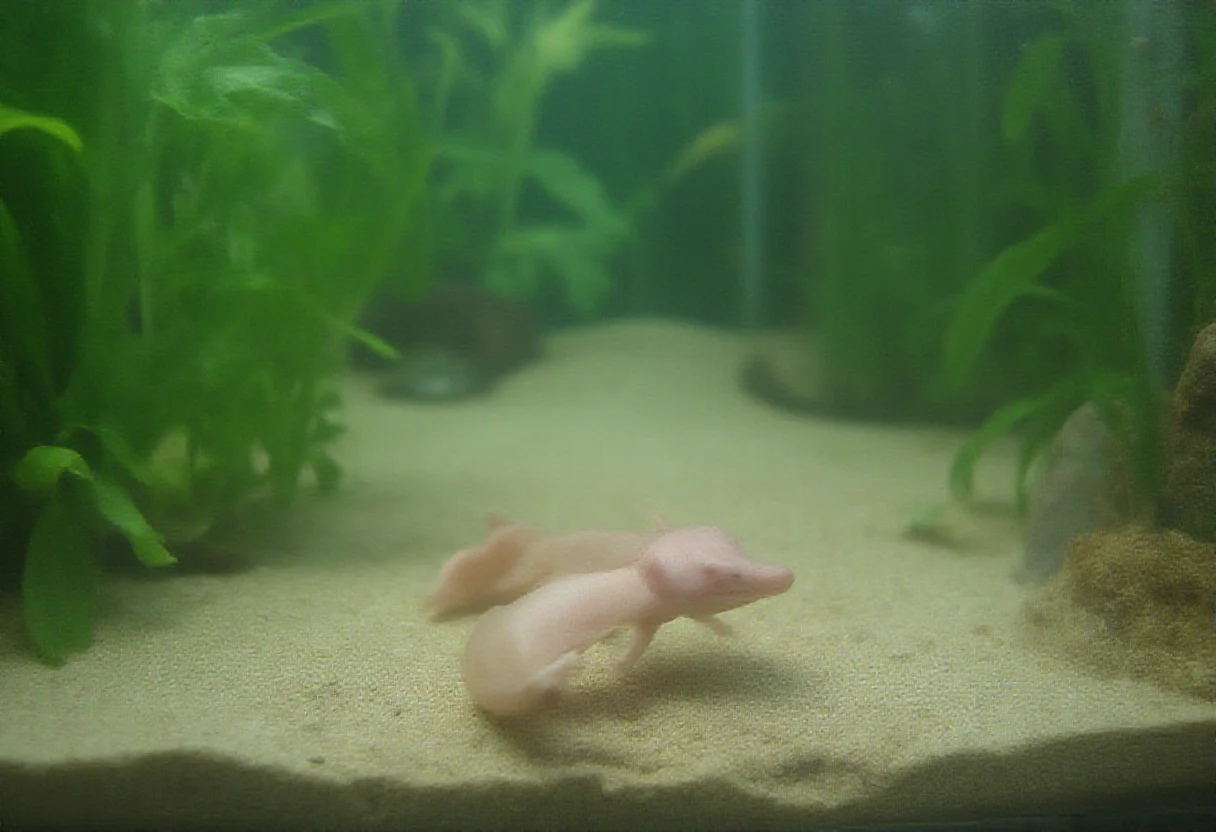
Best Nano Filter for Amphibian Tanks: Gentle Flow Guide
This post contains affiliate links. As an Amazon Associate I earn from qualifying purchases. Prices and availability are shown by Amazon and can change.
The best nano filter for an amphibian tank is one that cleans the water without creating a strong current. Look for adjustable or very gentle flow, a media chamber you can clean without killing all your beneficial bacteria, and a body that fits the tank without trapping small animals. The MSD Veterinary Manual notes that some aquatic species need gentle filtration, and the Royal Veterinary College warns that strong flow can severely stress axolotls.
Fish filters are built to move a lot of water. Many amphibians do not want that. Axolotls, newts and aquatic frogs are slow swimmers, and a strong jet can push them around the tank, stop them eating and wear them out.
A nano filter is a small filter for a small tank. This guide explains what to look for, how to cut flow down, how to keep it clean, and when a filter alone is not enough.
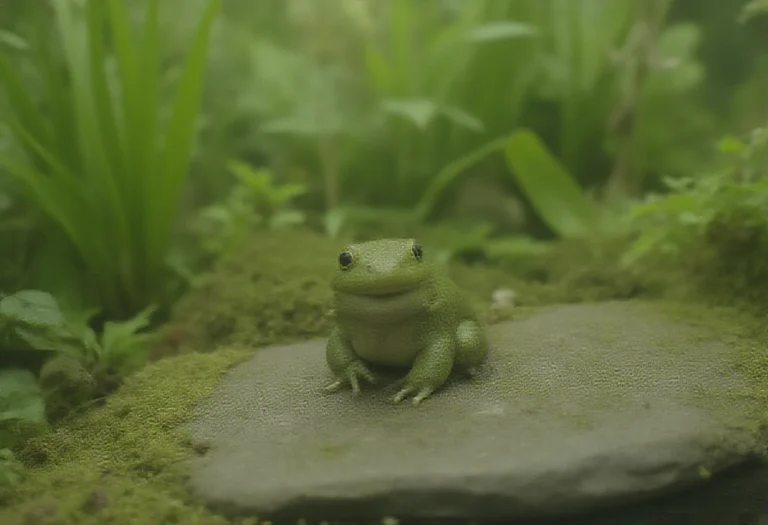
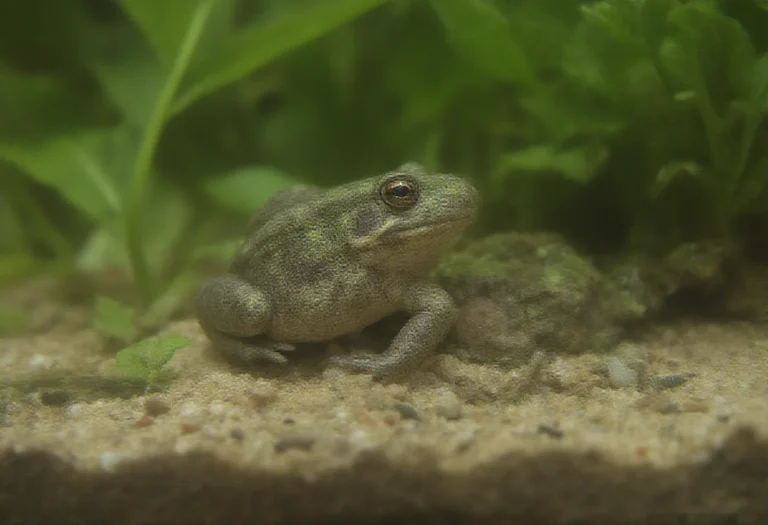
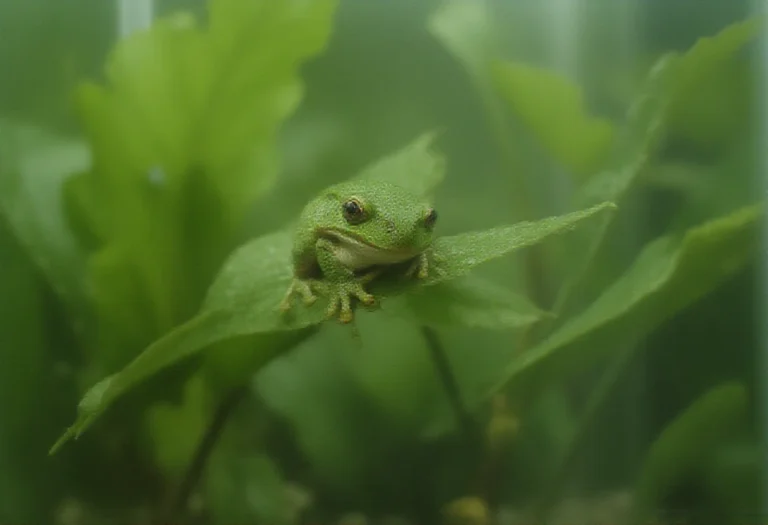
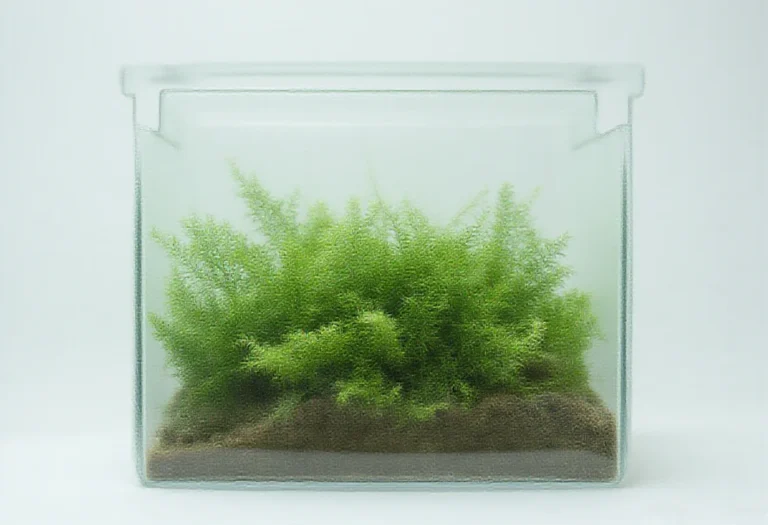
How this was made: prepared with AI assistance and checked against the sources listed at the end. Images are AI-generated illustrations, not photographs of real animals or products.
Key Takeaways
- Choose gentle or adjustable flow. Strong current stresses axolotls (Royal Veterinary College).
- Filters help keep toxic ammonia low, but they do not replace weekly water changes.
- The MSD Veterinary Manual advises weekly tests of temperature, pH, hardness, ammonia, nitrite and nitrate in aquatic setups.
- Sponge-style and baffled filters are common ways to soften flow; check what suits your species.
- Small tanks foul quickly, so a nano filter works best with a tank that is not overstocked.
- Rinse filter media in old tank water, never in untreated tap water.
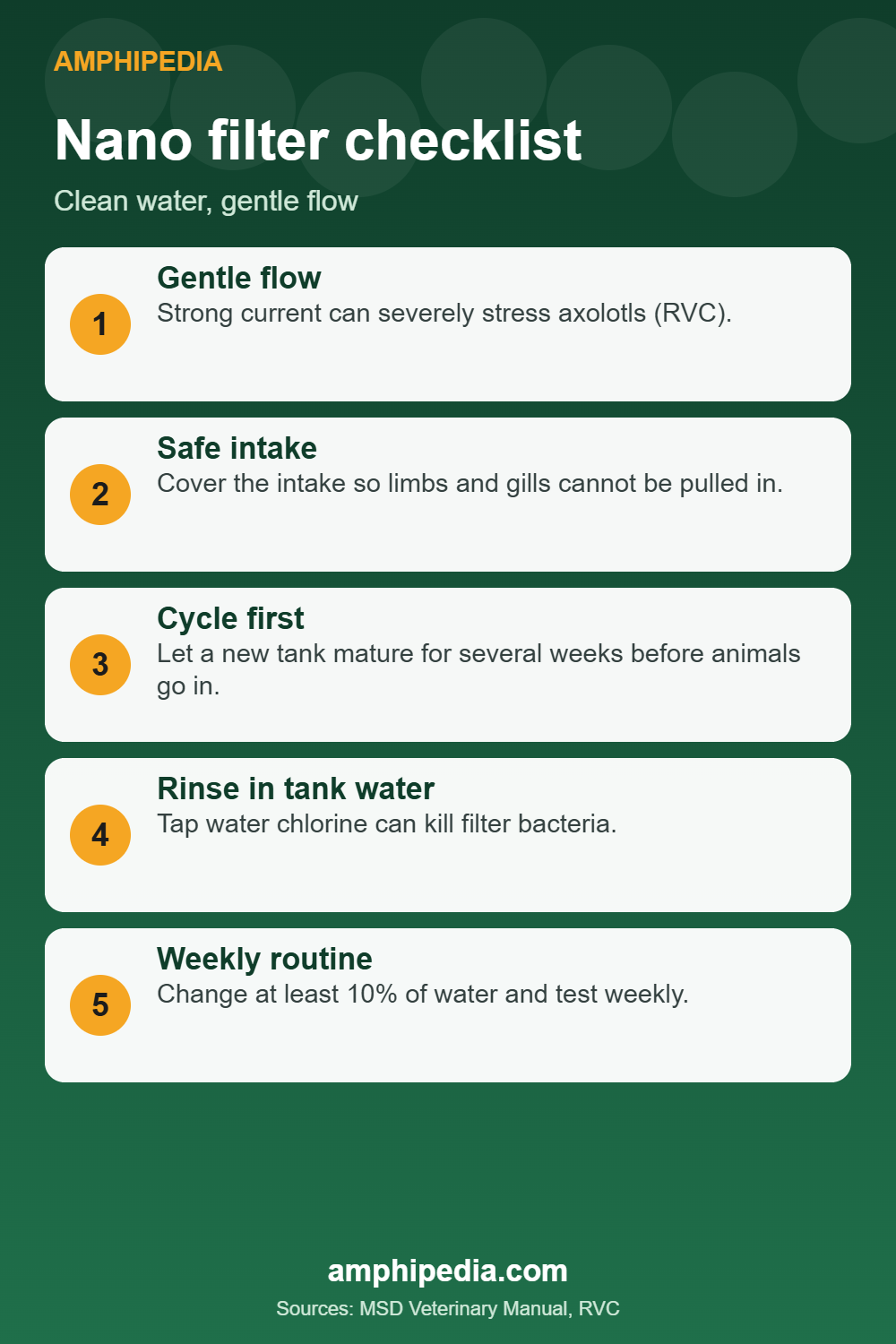
Pin this infographicShare on Facebook
Small sponge filters that suit gentle-flow tanks
These air-driven sponge filters give a soft current in small tanks. They need an air pump and a check valve, and you should still test the water weekly.


Product titles, prices and ratings are provided by Amazon and are accurate only at the time they are displayed.
Why small amphibian tanks need a gentle filter
Water in a small tank turns bad fast. Waste produces ammonia, which is toxic, and a filter hosts the bacteria that turn it into less harmful compounds. The Royal Veterinary College says filters are strongly advised for axolotls to keep ammonia levels low.
The same source warns that filtration must be controlled, because strong water flow can cause severe stress. Reptiles Magazine agrees that axolotls do not tolerate distinct water flow the way fish do, and that visible current can make them stop eating.
So the goal is clean water with almost no visible current. In a small tank this is harder, because even a tiny filter can feel powerful.
Types of small filter
There are several formats that fit a small tank. Each has trade-offs for amphibians.
- Sponge filter: air-driven and usually gentle. Good biological surface, easy to rinse. It needs an air pump.
- Internal filter: sits in the tank and takes up space. Look for a flow control or a way to point the outlet at the glass.
- Hang-on-back filter: sits outside the tank. Flow can be strong, so check for an adjustable intake or add a baffle.
- Canister filter: Reptiles Magazine calls an external canister the best choice for axolotls, with a spray bar to spread the flow. This is usually too large for a true nano tank.
Features that matter
Compare filters using a short checklist rather than marketing claims.
- Adjustable flow or a very gentle output.
- Intake covered by a sponge or fine guard so legs, gills and toes cannot be pulled in.
- Quiet running, because constant vibration is stressful in a small room.
- Media you can rinse and reuse, with space for sponge, floss or ceramic rings.
- A size that fits your tank with room for the animal to move.
- Simple parts, so cleaning takes minutes and you will actually do it.
How to soften the flow
If a filter is too strong, you do not always need a new one. Point the outlet at the tank wall or a rock so the water spreads out. Add a sponge over the outlet. Raise the water level slightly so the outlet is below the surface and does not spray.
Watch the animal for several days. If it avoids the filter, hovers against the current, or stops eating, the flow is still too high. Reptiles Magazine and the Royal Veterinary College both link strong current with stress in axolotls.
Setting up and cycling
A new filter needs time before it handles waste. The Royal Veterinary College advises leaving a new axolotl tank empty to mature for several weeks before animals are added.
Use water that is free of chlorine. The MSD Veterinary Manual says tap water can be dechlorinated, and that if your supplier uses chloramines you need a specific dechlorinating agent first. See our guide to dechlorinators for amphibian water.
The MSD manual also says not to use distilled water in enclosures or when handling amphibians.
Cleaning and maintenance
Rinse sponge media in a bucket of old tank water, not under the tap. Chlorine in tap water can kill the bacteria you rely on.
Do not replace all media at once. Clean part of it each time so some bacteria always remain.
The MSD manual recommends changing at least 10% of the water weekly in established aquatic tanks, and testing weekly. The RVC suggests 10 to 20% weekly changes for axolotls, adjusted by test results.
Tank size still matters
A nano filter cannot fix a tank that is too small. Reptiles Magazine says a 10-gallon tank can hold one adult axolotl, but calls a 20-gallon tank a safer choice because of the waste they produce.
Extra water volume keeps temperature and chemistry steadier. If you are short on space, keep fewer animals rather than adding more filtration.
Related guides
For newts, read our guide to a small tank filter for newts. For water movement choices in larger setups, see the water pump or filter for a frog tank. A different angle on small-tank water quality is in our nano water filter for amphibians guide.
Feeding and waste in a small tank
In a small volume, food is the biggest source of extra waste. LafeberVet says that if large amounts of uneaten food collect in an axolotl filter, you should feed less. It also says that if nitrate keeps rising, you should change water more often or remove a larger share.
LafeberVet gives targets of 0 ppm for ammonia and nitrite and below 10 ppm for nitrate, with ammonia and nitrite possibly reading high while a new tank settles. Those are axolotl figures, so check your own species before copying them.
Water-change advice differs. LafeberVet says to replace about 30 percent weekly, the RVC says 10 to 20 percent weekly, and the MSD Veterinary Manual says at least 10 percent. The small end suits a lightly stocked tank with good test results, and the larger end suits a heavily fed one.
Temperature swings in small volumes
A small tank gains and loses heat faster than a large one, so a nano setup can swing in a warm room. The RVC gives an optimum of 16 to 18 C for axolotls and says never to exceed 24 C. LafeberVet gives 15.6 to 17.8 C and says water above 24 C has a high chance of making axolotls ill.
Check the temperature at the same time each day. Keep the tank away from windows and heaters, and remember that a pump running in a tiny volume can add a little warmth. That last point is a practical caution, not a sourced measurement.
A 15-minute weekly routine
- Test temperature, pH, ammonia, nitrite and nitrate, as the MSD manual advises weekly, and write the results down.
- Remove uneaten food and waste with a net or baster.
- Change part of the water with dechlorinated water at the same temperature.
- Rinse only part of the filter media in a bucket of old tank water.
- Check that the intake guard is firm and the outlet still gives a soft current.
- Wash your hands with soap and water afterwards, and clean gear away from the kitchen.
Common mistakes with nano filters
- Choosing a filter for its size and not its flow, then leaving the current untouched.
- Cleaning all the media at once, which removes helpful bacteria.
- Rinsing the sponge under the tap, which adds chlorine.
- Adding animals before the tank has matured. The RVC advises leaving a new axolotl tank empty first.
- Overfeeding and ignoring food that collects in the filter.
- Stocking more animals instead of fixing the water.
- Skipping weekly tests because the water looks clear.
Frequently Asked Questions
Do aquatic amphibians need a filter?
Filters are strongly advised for axolotls to keep ammonia low, according to the Royal Veterinary College. They are not strictly essential if water is changed often, but most keepers use one.
Can a strong filter hurt an axolotl?
Yes. The RVC says strong flow can cause severe stress, and Reptiles Magazine says axolotls may stop eating when exposed to visible current.
Is a sponge filter a good choice?
Sponge filters are usually gentle and easy to rinse, which suits many amphibians. They need an air pump to run.
How often should I clean the filter?
Rinse part of the media in old tank water when flow drops or the water looks dull. Avoid cleaning everything at once.
Can I use tap water?
Only after treatment. The MSD manual says chlorine must be removed, and chloramines need a specific dechlorinating agent.
How big should the tank be?
Reptiles Magazine says 10 gallons can hold one adult axolotl but 20 gallons is safer. Other species differ, so check your own.
What if my animal hides from the filter?
Reduce the flow, move the outlet, or add a sponge cover. If problems continue, ask an exotics vet.
Bottom Line
A good nano filter is quiet, gentle and easy to clean. It supports the tank rather than driving it. Choose gentle flow first, then check size, intake safety and upkeep.
Keep up with water changes and weekly tests, and keep the tank uncrowded. Filters help, but clean water comes from routine, not from equipment alone.
Sources
- MSD Veterinary Manual: Housing for Amphibians (pet owner version), accessed Temperature, humidity, UVB, water quality and filtration basics.
- Royal Veterinary College: Axolotl care sheet, accessed Axolotl temperature, filtration, water flow and lighting.
- Reptiles Magazine: Axolotl Care Sheet, accessed Filter type and water flow for axolotls.
- CDC: Reptiles and Amphibians (Healthy Pets, Healthy People), accessed Salmonella risk, handwashing and where to clean habitat equipment.
- LafeberVet: Care of the Axolotl (PDF), accessed 12 Nov 2026. Nitrate, ammonia and nitrite targets, weekly changes, feeding and temperature.
- MSD Veterinary Manual: Housing for Amphibians, accessed 12 Nov 2026. Weekly testing and at least 10 percent weekly water changes.
- Royal Veterinary College: Axolotl care and advice (Dec 2022), accessed 12 Nov 2026. Temperature limits, weekly changes, empty tank before adding animals.
4 Comments