Best Leaf Litter for a Bioactive Amphibian Terrarium
This post contains affiliate links. As an Amazon Associate I earn from qualifying purchases. Prices and availability are shown by Amazon and can change.
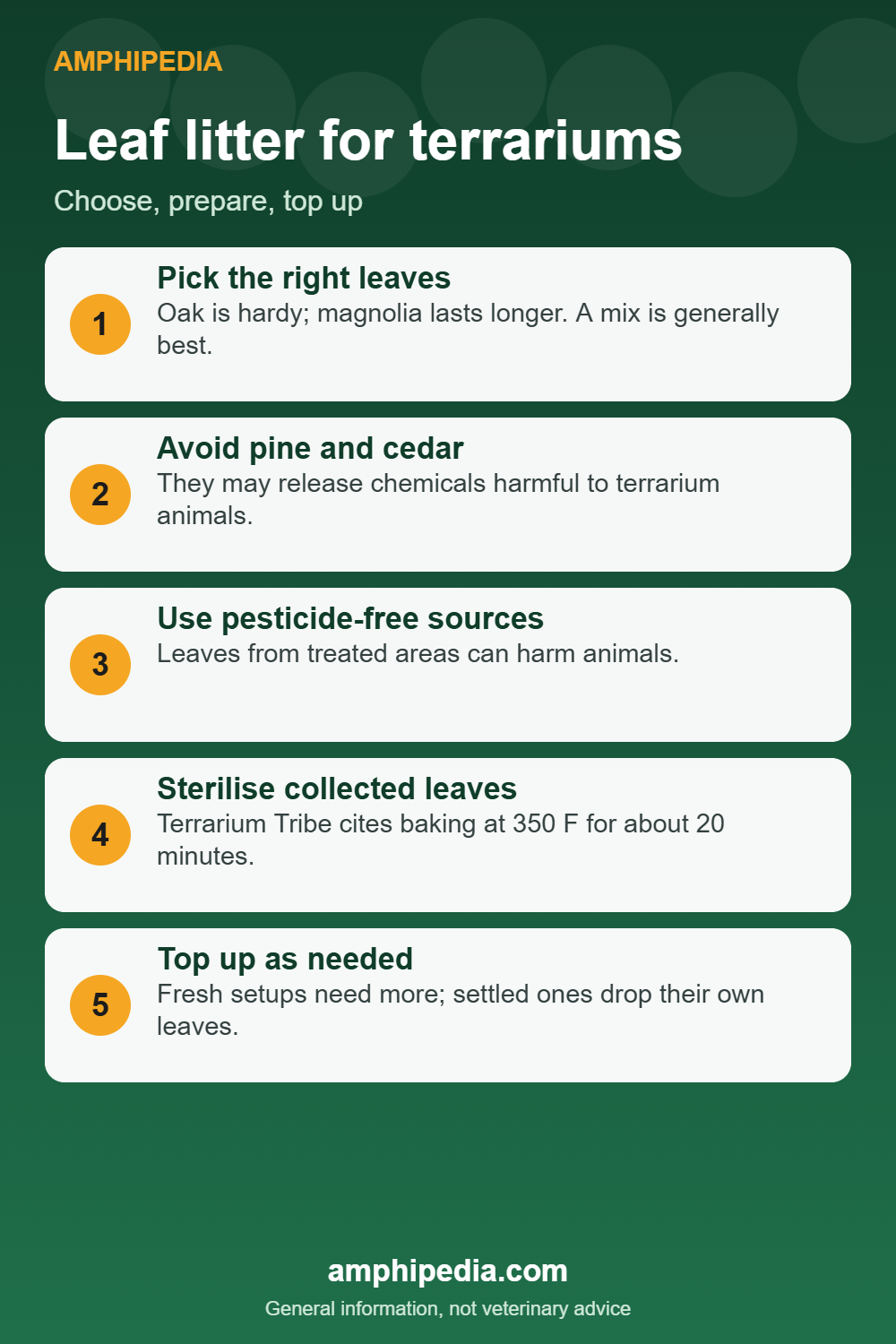
Choose pesticide-free leaves that are dry and clean. Oak is a hardy all-rounder, thick magnolia leaves last longer and resist mould, and thin leaves such as maple break down faster. Avoid pine and cedar, and avoid leaves from treated areas. Packaged leaf litter is not always sterilised, so check the label or bake collected leaves. A mix of leaf types is generally best, and you will need to top up as the litter breaks down.
Leaf litter does several jobs in an amphibian terrarium. It covers the soil, holds moisture, gives animals somewhere to hide and feeds the small animals that help break down waste.
This guide explains which leaves to choose, what to avoid, how to prepare them and when to add more. It also covers how leaf litter fits into a bioactive setup for amphibians, without making claims we cannot source.
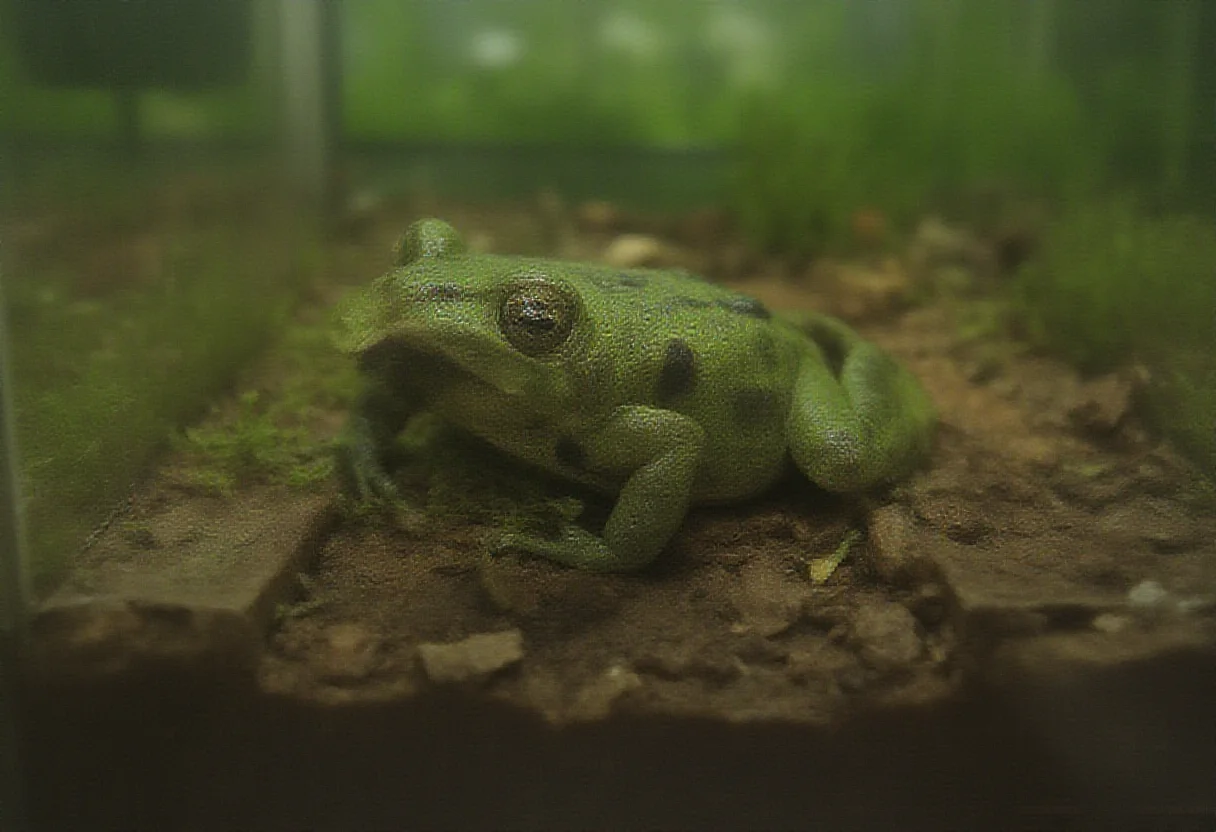
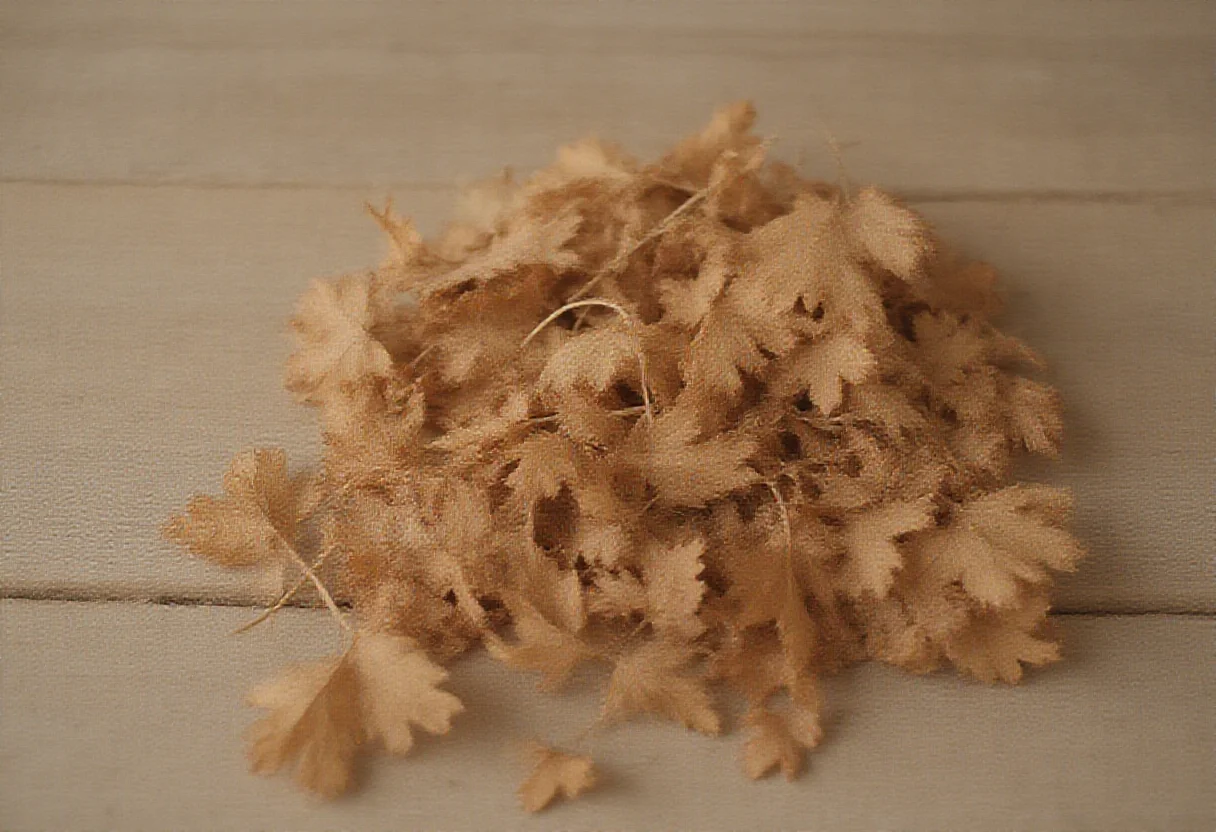
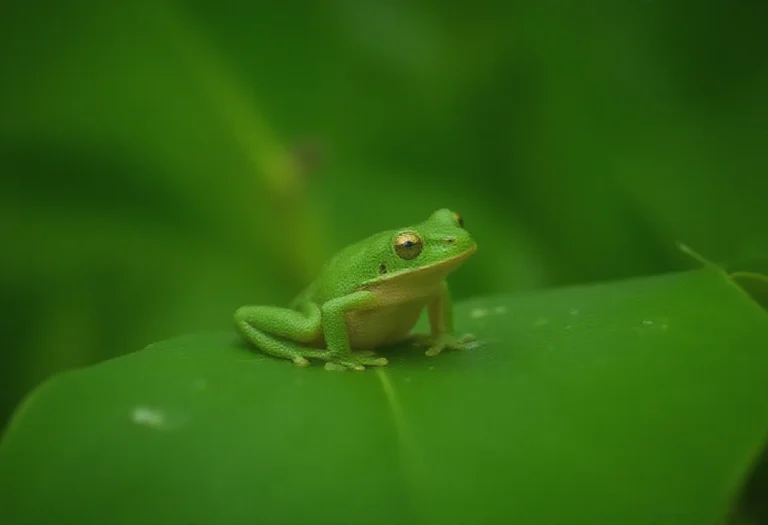
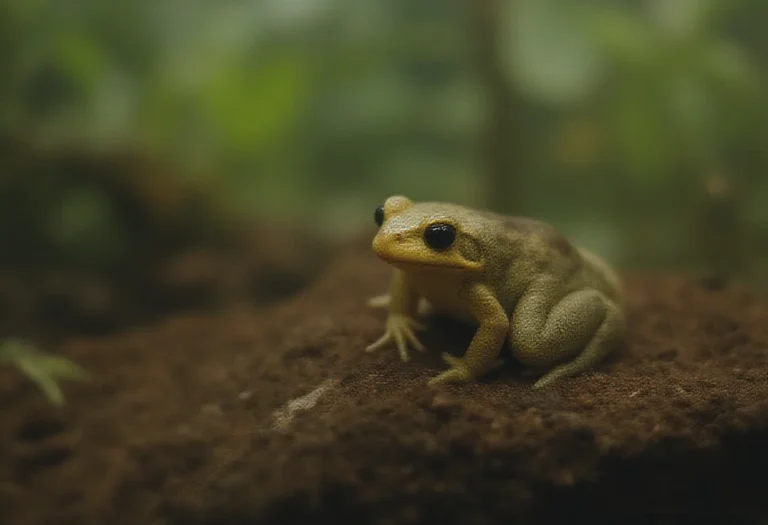
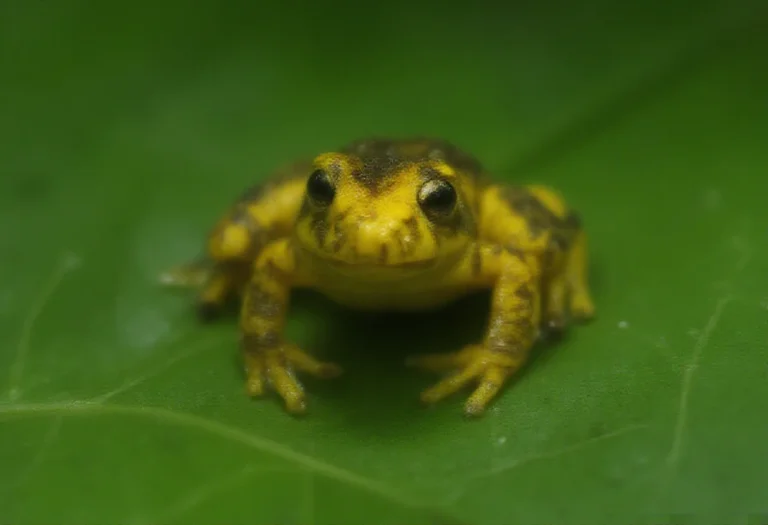
How this was made: prepared with AI assistance and checked against the sources listed at the end. Images are AI-generated illustrations, not photographs of real animals or products.
Key Takeaways
- Oak is a hardy all-rounder; thick magnolia leaves last longer and resist mould.
- Avoid pine and cedar, and any leaves from treated areas.
- Packaged litter is not always sterilised; bake collected leaves before use.
- A mix of leaf types is generally best.
- Fresh bioactive setups need extra litter because there is little waste yet.
- Wash your hands after tank work because amphibians can carry Salmonella.
Pin this infographicShare on Facebook
Leaf litter products to consider
These products are sold as leaf litter for terrariums. Check the listing for sterilising information and source, as described on this page.


Product titles, prices and ratings are provided by Amazon and are accurate only at the time they are displayed.
What leaf litter does
Terrarium Tribe describes leaf litter as both a food source and a hiding spot for isopods, springtails and other cleanup crew. It breaks down into nutrients that drive the bioactive cycle.
A Terra Firma guide to bioactive terraria says springtails and isopods break down leaf litter, wood, droppings and dead plants into nutrients the soil can use. It adds that fungi and other organisms continue the breakdown.
VetVerified lists deep leaf litter among hiding spots for fire salamanders, alongside cork bark, wood and stones. Salamanders and many frogs like cover, so litter serves the animal as well as the cleanup crew.

Choosing the leaves
Terrarium Tribe compares leaf types by thickness. These are keeper-source notes, not amphibian trials.
| Leaf type | Notes |
|---|---|
| Oak | Hardy, nutritious all-rounder |
| Magnolia | Thick, lasts longer, less prone to mould |
| Maple, elm, linden, willow | Thinner leaves that break down faster |
| Pine and cedar | Avoid; may release chemicals that harm terrarium animals |
Preparing leaf litter
Packaged litter is usually dry, but Terrarium Tribe notes that not all of it is pre-sterilised. Check the packaging and treat unknown products as unsterilised.
For leaves you collect, pick them from an area free of pesticides and herbicides. The Terra Firma guide warns that anything you add stays inside the closed enclosure.
Let baked leaves cool fully before adding them. Hot or still-warm litter can dry the substrate and stress the animal. Rewet the top layer with dechlorinated water if needed, and recheck humidity after a day.
If you cannot bake your leaves, buy a product that states it is sterilised.
- Collect or buy dry, whole leaves from a clean source.
- Shake off dirt and remove any twigs, seeds or insects.
- Sterilise collected leaves. Terrarium Tribe cites baking at 350 degrees Fahrenheit (180 degrees Celsius) for about 20 minutes as an established method.
- Let the leaves cool and keep them dry until use.
- Spread them over the substrate in a loose, deep layer.
- Mist the layer lightly so it stays damp but not soggy.
Buying versus collecting
Packaged leaf litter is the simplest route. It arrives dry, sorted and free of twigs, and many sellers describe the source. Read the description for treatment and sterilising information, and contact the seller if it is unclear.
Collecting your own is cheaper, but it takes care. The leaves must come from a place free of pesticides and herbicides, so avoid lawns, roadsides and treated gardens. In a closed enclosure, anything you add stays there.
Many parks and reserves forbid collecting plant material, so check local rules and use your own garden or a trusted source. Collect fallen, dry leaves rather than picking green ones.
Store spare litter in a dry, breathable container. Damp storage encourages mould, and mouldy leaves should be thrown away.
How much and how often
Fresh setups lack the waste that feeds cleanup crews, so they need extra litter. Terrarium Tribe says settled terrariums drop their own leaves over time, so amounts depend on how much waste the setup makes.
Watch the layer. If it is compacted, grey or covered in fuzzy mould, remove the affected leaves and add dry ones. Thick leaves such as magnolia are less prone to mould.
Spot-clean droppings and uneaten food. Our guide to the waste remover for a terrarium covers tools that help.
Leaf litter and the cleanup crew
Isopods and springtails eat leaf litter, wood and waste. The Terra Firma guide describes them as part of a self-maintaining system, but it also says the system depends on proper setup and care.
Thin leaves are eaten faster, which suits large cleanup crews. Thick leaves last longer and suit tanks where you want long-term cover for the animal.
Leaf litter does not replace regular checks. Remove uneaten food and visible waste, and watch the animal. If the tank smells sour or the litter turns slimy, the system is out of balance.
Fit with substrate, plants and moss
Leaf litter sits on top of the substrate. A moisture-holding base, such as coconut fibre, helps. See our coconut substrate guide.
Live plants and moss improve humidity and cover. Our guides to live plants for a frog terrarium and moss starter cultures cover that part of the build.
RVC advises a substrate for burrowing and humidity. VetVerified suggests pesticide-free organic topsoil, coconut fibre, or leaf litter mixed with sphagnum moss for fire salamanders.
Mistakes to avoid
Most problems come from dirty sources and poor moisture control.
- Collecting leaves from lawns, roadsides or gardens that may have been sprayed.
- Using pine, cedar or other leaves with strong oils.
- Adding wet leaves and sealing them in a warm tank, which invites mould.
- Piling litter so deep that the animal cannot move or feed.
- Assuming a reptile label means the litter is amphibian-tested. It does not.
- Skipping hygiene. Wash your hands after every tank task.
Why amphibians use leaf cover in the wild
Leaf litter is not just decoration. Oregon State University forestry staff note that amphibians breathe partly through permeable skin, so they are vulnerable to drying out. That makes damp, sheltered microhabitats a physiological need, not a preference.
A USGS news release on the red-backed salamander, which lives across eastern North America, pictures one among leaf litter on the forest floor. It adds that many salamanders of this kind are tiny and spend most of their time underground. Litter is part of the cover that keeps them out of the open.
A terrarium cannot copy a forest, but a loose leaf layer over damp substrate gives a similar benefit: cover and a pocket of humid air at ground level. Use it for species that live on or near the ground. Tree-dwelling species use it less.
How fast different leaves break down
The Lady Bird Johnson Wildflower Center at the University of Texas at Austin explains that leaf type strongly affects how long a leaf lasts. Its notes come from outdoor gardens, so they show a pattern rather than exact tank timings.
- Thick, dense or waxy leaves, such as southern magnolia and live oak, break down more slowly.
- Thinner, smaller leaves, such as ash and honey locust, break down faster.
- Lignin, a tough cell-wall compound, and tannins both slow decay. Many oaks are high in them.
- Evergreen needles are slower than deciduous leaves, which decompose on average 60 percent faster, per the same source.
- Species in the same climate can differ by more than 18 times in decomposition rate, according to a 2008 meta-analysis cited there.
Outdoors, leaves often take more than one winter to decompose, and some species take two or three years. A warm, humid enclosure will likely be quicker, but we found no source giving a figure for terrariums.
What healthy breakdown looks like
The Wildflower Center describes a two-stage process. Leaf-eating animals such as pill bugs, centipedes, earthworms and snails chew leaves into smaller pieces, then bacteria and fungi finish the job. In a bioactive tank, isopods and springtails play the first role.
- Leaves thin out, develop holes and gradually become fragments. This is normal.
- A small amount of fine, dark material under the top layer is part of the cycle.
- A sour smell, slime or fuzzy mould is not normal. Remove those leaves, as covered earlier on this page.
Top up, do not replace
The Wildflower Center notes that layers at different stages of decomposition keep nutrients cycling. The same idea suits a terrarium. Add fresh dry leaves on top, and leave the partly broken-down layer beneath in place unless it is mouldy.
Removing every leaf at once strips away food and shelter for the cleanup crew and the animal in one go. A small, regular top-up is gentler and keeps the cover consistent.
A note on tannin fears
Some keepers worry about oak leaves because of their tannins. The Wildflower Center says oak leaves are not toxic to plants and do not acidify soil, but that is a statement about gardens, not amphibians. We found no amphibian study on oak litter, so follow the keeper guidance above and watch your animals.
Frequently Asked Questions
What is the best leaf for a terrarium?
Oak is a hardy all-rounder and magnolia lasts longer. A mix of types is generally best.
Do I need to sterilise leaf litter?
Packaged litter is not always sterilised. Terrarium Tribe suggests baking collected leaves at 350 F for about 20 minutes.
Can I use leaves from my garden?
Only if the area is free of pesticides and herbicides, and you sterilise them first.
Which leaves should I avoid?
Pine and cedar, which may release chemicals harmful to terrarium animals, and any treated leaves.
How often should I add more?
It depends on how fast the litter breaks down. Fresh setups need more; settled ones drop their own leaves.
Does leaf litter hold moisture?
Terrarium Tribe says it helps with moisture retention but gives no specific humidity numbers.
Bottom Line
Good leaf litter is clean, dry, pesticide-free and varied. Prepare it, spread it loosely, and top it up as it breaks down.
Match the rest of the setup to your species and keep up simple hygiene.
Sources
- Terrarium Tribe: Leaf litter 101, accessed Leaf types, what to avoid, sterilising and replenishing.
- Terra Firma: Introduction to bioactive terraria, accessed Cleanup crew and breakdown of leaf litter; pesticide-free sources.
- VetVerified: Keeping the Cantabrian fire salamander, accessed Deep leaf litter as a hide; substrate options.
- Royal Veterinary College: Salamander care sheet, accessed Substrate for burrowing and humidity.
- CDC: Reptiles and amphibians, accessed Salmonella and hygiene.
- Lady Bird Johnson Wildflower Center: Breakdown, It’s Alright, accessed 12 November 2026
- USGS: Study finds salamanders are surprisingly abundant in northeastern forests, accessed 12 November 2026
- Oregon State University College of Forestry blog post on forest habitat for amphibians, accessed 12 November 2026


2 Comments