Best Magnetic Thermometer for Amphibian Tanks: What It Can Tell You
This post contains affiliate links. As an Amazon Associate I earn from qualifying purchases. Prices and availability are shown by Amazon and can change.
A magnetic thermometer clings to the tank glass and gives a quick temperature reading without opening the lid. It shows the temperature at the wall, not necessarily where your animal sits, so use more than one and check them against a second device. The MSD Veterinary Manual says every enclosure needs a thermometer and a gradient; most amphibians do well at 60 to 70°F.
Magnetic and stick-on thermometers are simple and cheap. You read them at a glance, and nothing sits in the tank to be chewed, knocked over or fouled.
The trade-off is what they measure. This guide explains what a glass-mounted reading tells you, where to put one, and when you need something else. For probe types, see our probe thermometer guide.
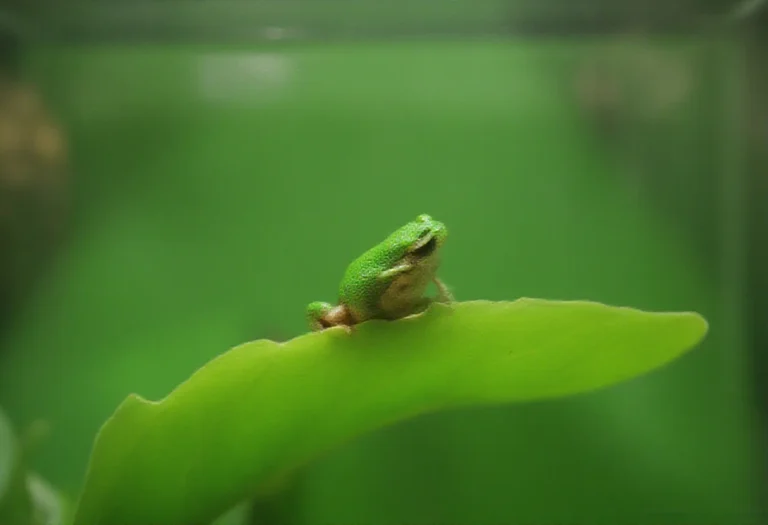
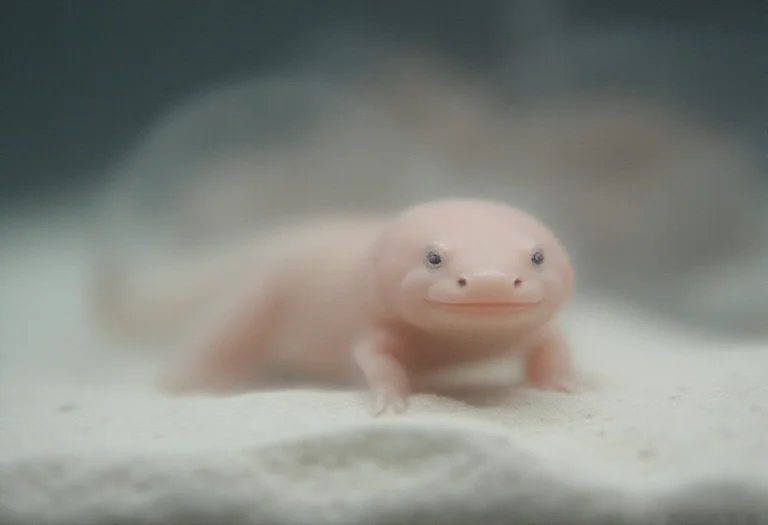
How this was made: prepared with AI assistance and checked against the sources listed at the end. Images are AI-generated illustrations, not photographs of real animals or products.
Key Takeaways
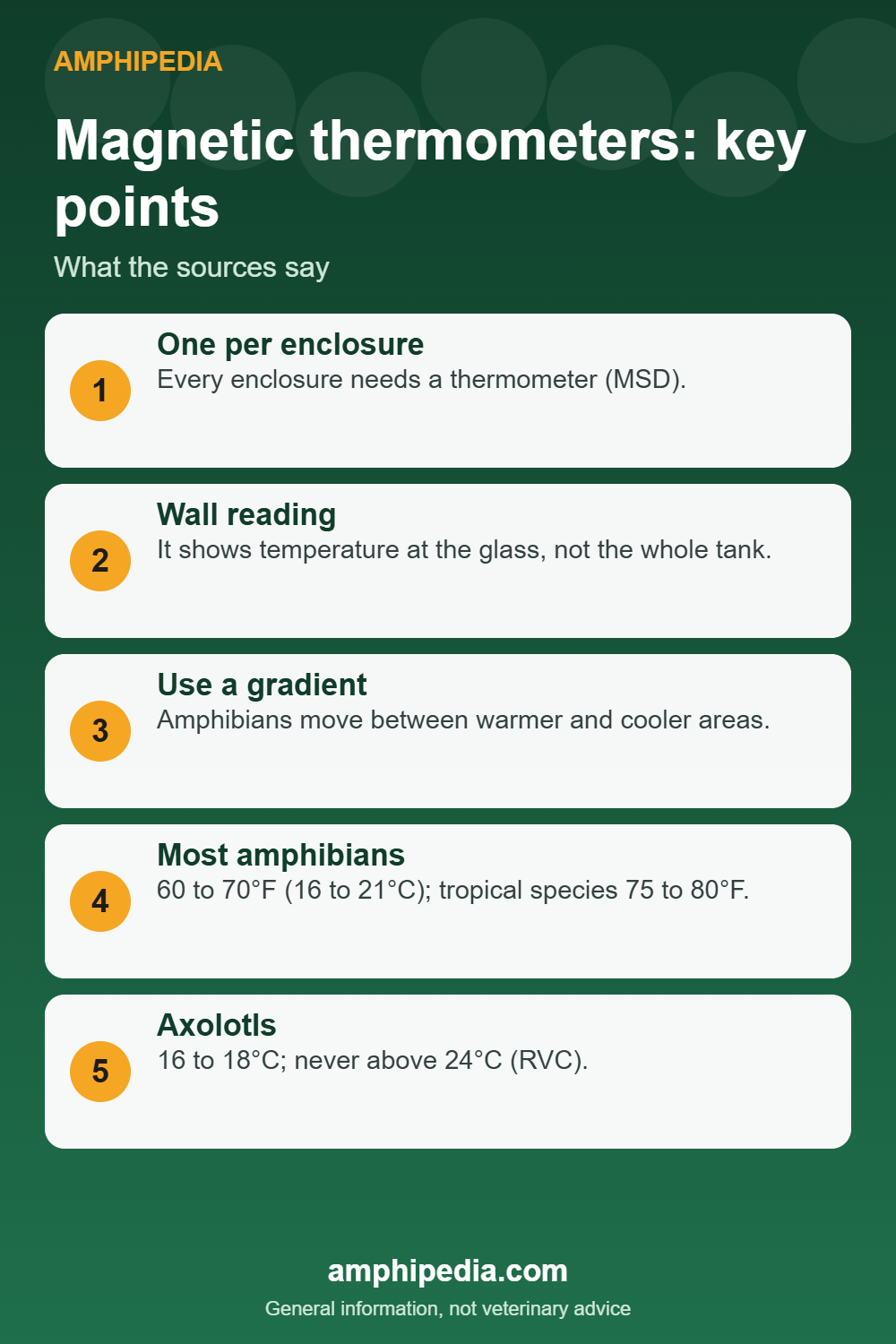
- The MSD Veterinary Manual says every enclosure should have a thermometer.
- A glass-mounted thermometer reads at the wall, which may differ from the air or water where the animal sits.
- Provide a gradient: amphibians regulate temperature by moving between warmer and cooler areas (MSD).
- Most amphibians do well at 60 to 70°F (16 to 21°C); tropical species 75 to 80°F.
- Axolotls: 16 to 18°C, never above 24°C (RVC).
Pin this infographicShare on Facebook
Stick-on and glass-mounted thermometers to compare
These listings are thermometers that stick, clip or mount to tank glass or read through it. Check how each one mounts. They read at the wall, so use two and compare them with a second device.
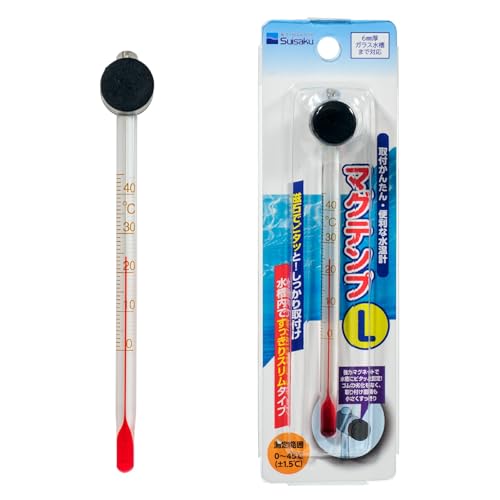


Product titles, prices and ratings are provided by Amazon and are accurate only at the time they are displayed.
What a magnetic thermometer measures
A magnetic thermometer has two parts: one inside the tank and one outside, held by magnets through the glass. The part you read sits at the wall. That is one spot.
The MSD Veterinary Manual stresses that amphibians use a thermal gradient. A single wall reading cannot show whether a warm and a cool zone exist.
Target temperatures to read against
Use the species source, not a generic number.
| Animal | Temperature | Source |
|---|---|---|
| Most amphibians | 60 to 70°F (16 to 21°C) | MSD Veterinary Manual |
| Tropical species | 75 to 80°F (24 to 27°C) | MSD Veterinary Manual |
| Poison dart frogs | 72 to 80°F (22 to 27°C) by day; 65 to 70°F at night | Lafeber Veterinary |
| Axolotls | 16 to 18°C; never above 24°C | Royal Veterinary College |
When it works well, and when not
A wall reading is useful for small tanks, quarantine boxes and tanks with an even temperature. It is less useful in tall tanks or where a heater or lamp warms one end.
- Good for quick daily checks of tank air.
- Good as a second thermometer to compare with another device.
- Poor at showing a gradient across the tank.
- Poor in tanks with a heater or lamp at one end.
- Not a substitute for water tests in an aquatic tank. The manual lists weekly tests for temperature, pH, ammonia, nitrite and nitrate.
What to check before buying
No source rates specific thermometers for amphibians, so judge on design.
- A scale that covers your target range with fine markings.
- A magnet strong enough to hold through your glass thickness.
- Clear numbers at your viewing distance.
- Both parts are safe in damp conditions.
- No liquid that could escape if the unit cracks.
- Units you read easily, °C or °F.
Where to place it
Mount the thermometer on the glass at the height where the animal spends time, away from direct spray and heat sources.
Use two: one at the warm end and one at the cool end. The manual also mentions spot-checking with a laser temperature probe, which gives a surface reading to compare with the thermometer.
Check accuracy
Place the thermometer next to a second device for a day. If they differ by more than you can accept, replace the one you trust less.
For a sensor that also reads humidity, see our combo guide and aquarium thermometer guide.
Aquatic tanks and cool-loving species
A wall reading is a weaker guide in water. The MSD Veterinary Manual says aquatic set-ups need weekly checks of temperature, pH, hardness, ammonia, nitrite and nitrate, which a glass thermometer cannot replace.
The manual also says salamanders prefer temperatures substantially lower than frogs and toads, and suggests water chillers or air conditioning for some enclosures. For axolotls, the RVC says water should never exceed 24°C. Check the reading often in warm weather.
Common mistakes
Most errors come from reading the wrong spot.
- Using one thermometer and assuming the whole tank matches.
- Placing it by a heater or lamp.
- Trusting the number without a second check.
- Using a radiant heat source. Lafeber warns that it dries amphibian environments.
- Ignoring water temperature in an aquatic tank.
- Leaving a cracked unit in the tank.
Checking a thermometer against a reference
The USDA Food Safety and Inspection Service explains an ice-water test for kitchen thermometers. It is a food safety method, not an amphibian one, but the logic carries over. Fill a glass with ice, add water, stir, and hold the stem at least 2 inches into the mix without touching the sides or bottom. After at least 30 seconds, a calibrated thermometer reads 32°F (0°C).
A magnetic or stick-on unit cannot be dipped like that, and some scales do not reach freezing. FSIS also notes that some kitchen thermometers cannot be calibrated at all. So a practical two-step check, which is our suggestion rather than an official method, is to test a separate reference thermometer in ice water first, then place it next to the tank thermometer for a day.
- Write down both readings at the same times each day.
- Treat a steady gap as a correction you can apply mentally, such as “reads 1 degree high”.
- Replace any unit whose gap changes from day to day.
A short daily routine with a wall thermometer
The MSD Veterinary Manual says enclosures should be spot-checked daily with a laser temperature probe. That checks the surface, not the air, but it gives a second opinion on the wall reading. The manual also advises owners to log appetite and behavior, and says regular weight checks may help.
- Read the warm-end and cool-end thermometers at the same time of day.
- Spot-check a surface or two with a laser probe if you have one.
- Note whether the animal is eating and moving normally.
- Write the readings and notes in one place so changes over weeks stand out.
- Call an exotics vet if the animal looks unwell, rather than adjusting equipment alone.
A log does not need to be elaborate. Its value is spotting a slow drift, such as a tank that creeps warmer through summer, before the animal shows a problem.
Why the species matters more than the thermometer
The MSD Veterinary Manual describes a “preferred optimal temperature zone” that varies by species and is generally lower for amphibians than for reptiles. It adds that salamanders prefer substantially lower temperatures than frogs and toads. A thermometer sold for a reptile tank may therefore have a scale and markings that suit the wrong animal.
Look up the species before you read the dial. A temperate salamander kept in a room that suits a tropical frog can be too warm, even if the thermometer is accurate.
Lights and heat sources near the glass
Anything that warms the glass can make a wall thermometer read high. The MSD Veterinary Manual recommends fluorescent or LED bulbs in amphibian enclosures to avoid heat production. Lafeber Veterinary warns against radiant heat sources for dart frogs because they tend to dry amphibian environments.
If your thermometer sits close to a lamp, the number may describe the lamp, not the habitat. Move the thermometer, or compare it with a reading from the far side of the tank.
Pair temperature with humidity
Temperature and moisture work together. Warm air dries faster, so a rise in temperature can change humidity inside a closed tank. The MSD Veterinary Manual says every amphibian enclosure should contain a humidity gauge as well as a thermometer.
- Most amphibians do well at 75 to 80% humidity, and tropical species may need 85 to 90% (MSD Veterinary Manual).
- Lafeber Veterinary advises 80 to 100% relative humidity for poison dart frogs.
The sources give different ranges because the animals differ. Use the figure for your own species, and ask a vet if you are unsure.
When a reading looks wrong
- Check the second thermometer before reacting.
- Look for new heat sources or a changed lamp position.
- In an aquatic tank, remember that the glass reading may not match the water. The RVC says axolotl water should never exceed 24°C.
- The MSD Veterinary Manual says water chillers and air conditioning must be considered for some enclosures.
- If the animal is lethargic, off food, or showing skin changes, contact an exotics vet.
Water checks a thermometer cannot do
In an aquatic tank, temperature is only one of several readings. The MSD Veterinary Manual says to test weekly for temperature, pH, hardness, ammonia, nitrite, and nitrate, and to change at least 10% of the water weekly in established aquatic tanks.
The same manual says water must be free of chlorine and ammonia. Tap water can be run through a carbon filter for at least 24 hours to remove chlorine, and chloramines need a specific dechlorinating agent. It also says distilled water should not be used in amphibian enclosures. Other care sheets list aged or filtered tap water or bottled spring water instead, so ask your exotics vet which suits your species.
Frequently Asked Questions
Do amphibians need a thermometer?
Yes. The MSD Veterinary Manual says every enclosure should have at least one.
Does a magnetic thermometer read the air or the water?
It reads at the glass. Use an in-tank probe for water if you keep aquatic animals.
How many should I use?
Two, one at each end of the tank, to confirm a gradient.
What temperature is right?
Most amphibians do well at 60 to 70°F. Tropical species and axolotls differ; see the table.
How do I check accuracy?
Compare it with a second thermometer for a day.
Can it replace a hygrometer?
No. The manual says every enclosure needs a humidity gauge as well.
Bottom Line
A magnetic thermometer is a handy second opinion, not the whole picture. Use two, read against your species range and verify them against another device.
If your animal stops eating or shows skin changes, contact an exotics vet. The ARAV directory can help you find one.
Sources
- MSD Veterinary Manual: Housing for Amphibians (pet owner version), accessed 12 November 2026. Used for: Thermometer, humidity gauge, ranges
- MSD Veterinary Manual: Environment and Husbandry for Amphibians, accessed 12 November 2026. Used for: Gradients, laser probe spot checks, aquatic testing
- Lafeber Veterinary: Basic Information Sheet, Poison Dart Frog, accessed 12 November 2026. Used for: Dart frog temperature and humidity
- Royal Veterinary College: Axolotl care. Used for: Axolotl temperature
- CDC: Reptiles and Amphibians. Used for: Salmonella and hygiene
- USDA FSIS: Kitchen Thermometers, accessed 12 November 2026. Used for: ice-water thermometer check

8 Comments