Magnetic Hideout Cave for Tree Frogs: What to Know Before You Buy
A magnetic hideout cave is a small shelter held to the inside of a glass wall by a magnet on the outside. It can give a tree frog a hiding place at climbing height, but it is not a standard item. Check that the magnet is sealed and strong enough for your glass, that the frog cannot pinch or swallow any part, and that the cave stays damp but not soaked.
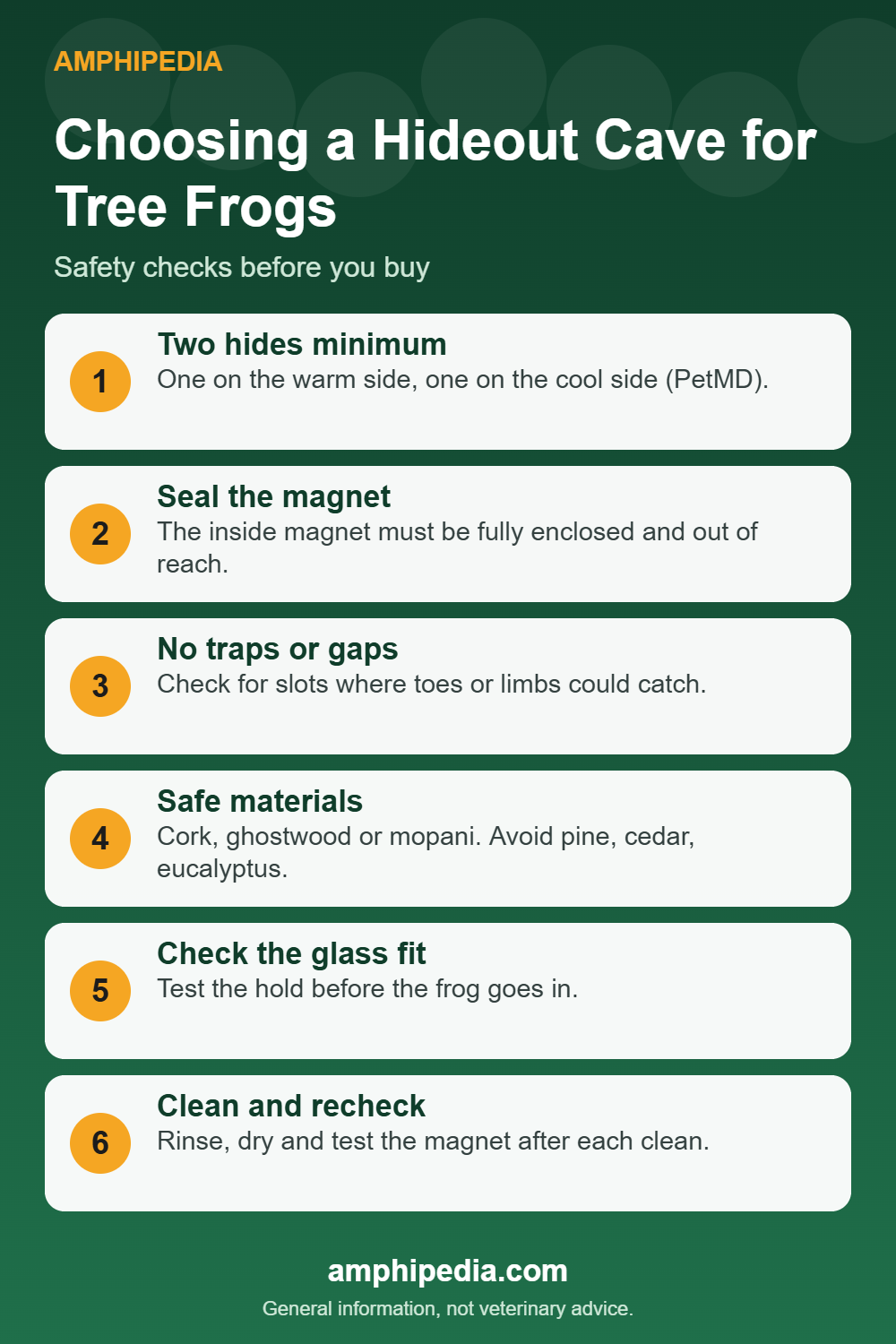
Tree frogs like to hide above the floor. PetMD advises at least two hiding areas, one on the warm side and one on the cool side. A shelter on the wall fits that natural behaviour.
Magnetic designs are less common than cork, bamboo or plant hides. This guide covers what to check so a magnet-mounted cave is safe, stable and suited to a frog.
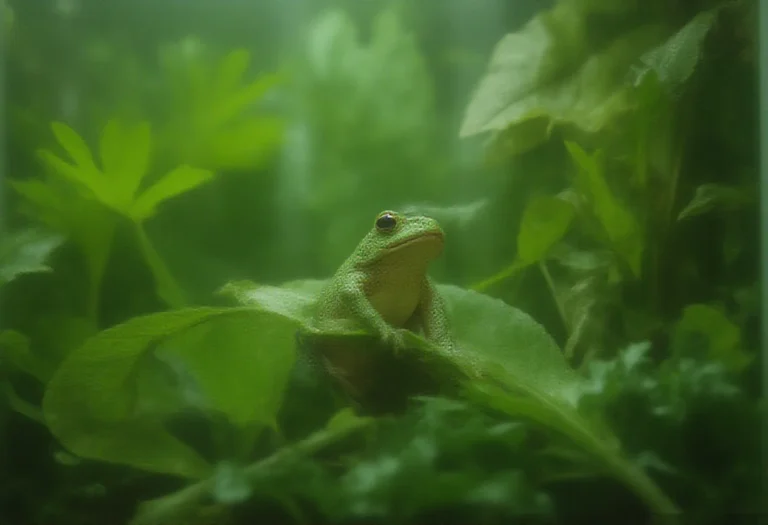
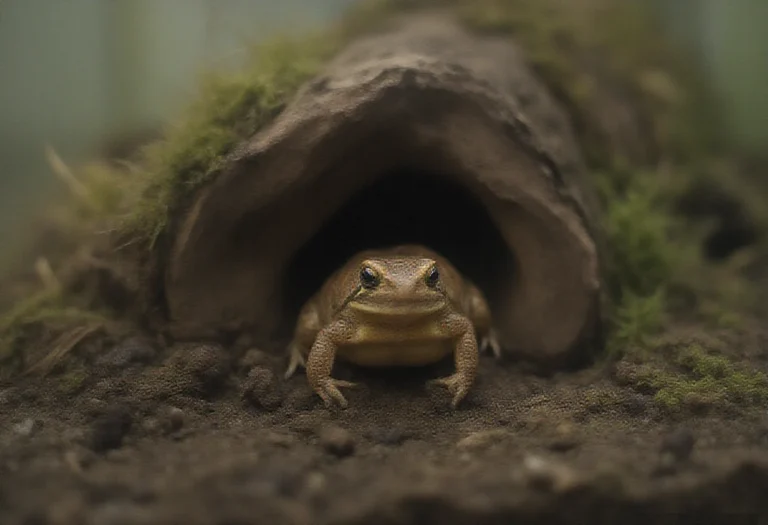
How this was made: prepared with AI assistance and checked against the sources listed at the end. Images are AI-generated illustrations, not photographs of real animals or products.
Key Takeaways
- Give tree frogs at least two hiding places, one warm and one cool.
- Magnets must be sealed, strong enough for your glass and out of the frog’s reach.
- Check the cave for gaps where toes or limbs could be trapped.
- Use natural, untreated materials, and avoid pine, cedar and eucalyptus.
- A hide should hold humidity, not stay soaked or moulded.
- Clean it often and replace it if it cracks or the magnet loosens.
Pin this infographicShare on Facebook
Why tree frogs need hides
Hides lower stress and give a frog a place to rest through the day. PetMD says a frog that hides constantly may not get enough UV exposure, so give a choice of spots and watch how the animal uses them.
The MSD Veterinary Manual adds that refugia also limit water loss and help hold humidity at a small scale. A cave placed near a damp area can do both jobs.
How a magnetic cave works
One part sits inside the enclosure. A second magnet sits outside the glass and holds it in place. You can slide the cave up or down the wall to change the position.
The set depends on glass thickness. A magnet that is too weak slips or falls. One that is too strong is hard to move. Check the maker’s stated glass range before you buy, and test it with the enclosure empty.
Test the hold with the enclosure empty. Slide the cave along the glass and tilt the tank gently to check that it does not shift. If it slips, the magnet is too weak for your glass.
Safety checks
A magnet inside a damp tank brings special risks. It can rust, crack or come loose. Treat these points as a minimum.
- The inside magnet must be fully sealed in plastic, resin or the cave body.
- No small loose parts that a frog could swallow.
- No narrow slots or gaps where toes or limbs could get caught.
- Smooth, non-sharp surfaces everywhere the frog can reach.
- A stable hold when the cave is damp and the frog lands on it.
- Keep magnets away from phones, cards and anything electronic.
Materials that suit frogs
DartFrog.pet recommends cork bark, ghostwood, Malaysian driftwood and mopani, and advises avoiding pine, cedar and eucalyptus. Fake plants can contain toxic paint or lead weights, so avoid painted decor.
The MSD manual says cedar and pine mulches should not be used because of toxic oils. Apply the same caution to any wood in a hide. Plastic caves are fine if the plastic is inert, smooth and washable.
Placement
Place the cave where it fits your frog’s habits, not just your decor. Tree frogs often rest high on the glass or on branches.
- Put the first hide on the warm side, near the top third of the wall.
- Put the second hide on the cool side, lower down.
- Keep both near foliage so the frog can climb to them.
- Leave a clear path from cave to water and food areas.
- Mist the area lightly so the cave stays damp, not soaked.
- Check the magnet’s hold after the first day and after each cleaning.
Cleaning and care
Wipe the cave with clean, warm water at each tank clean. Do not use soap, bleach or strong chemicals unless you can rinse them out completely. Dry and refit it.
Wash your hands after handling equipment. See the hygiene note below.
Sizing the cave for your frog
Choose a cave that your frog fits into comfortably, with room to turn. It should not be so tight that the frog can wedge itself in.
Check the adult size of your species on a sourced care sheet, such as the PetMD sheet for your frog. A small cave suits a small species, while larger tree frogs need a bigger shelter.
Alternatives
If you cannot find a safe magnetic design, other hides work well. Compare a bamboo hide, bamboo decor or a branch decor kit.
Live plants also give shelter. See our guide to live plants for a frog terrarium.
The magnetic caves we found for sale are made for reptiles such as crested geckos. None are labelled for amphibians, so this guide lists no products. Judge any cave by the safety checks above.
Frequently Asked Questions
How many hides does a tree frog need?
PetMD advises at least two, one on the warm side and one on the cool side.
Are magnetic caves safe for frogs?
They can be, if the inside magnet is fully sealed, parts are too large to swallow, and no gaps can trap a limb. Check each product yourself.
What glass thickness do magnets work through?
It depends on the product. Check the maker’s stated range, and test the hold before adding the frog.
What materials are safe?
Cork bark, ghostwood, Malaysian driftwood and mopani are recommended by DartFrog.pet. Avoid pine, cedar and eucalyptus.
Can I use a reptile cave for a frog?
You can if it is smooth, washable and has no traps. Reptile-labelled does not mean amphibian-tested, so judge the safety yourself.
How do I clean a cave?
Rinse with clean warm water, avoid soap residue, dry it and check the magnet before you put it back.
Bottom Line
A magnetic hideout cave is a convenient way to add shelter high on the wall. It is only worth buying if the magnet is sealed and the design has no traps.
If no safe model fits your glass, a cork, bamboo or planted hide does the same job with less risk.
Sources
- PetMD: Red-Eyed Tree Frog Care Sheet, accessed Hiding areas and UV exposure
- MSD Veterinary Manual: Environment and Husbandry for Amphibians, accessed Refugia and humidity; cedar and pine
- DartFrog.pet: Dart Frog Vivarium Setup, accessed Wood and decor materials
- CDC: Reptiles and Amphibians, accessed Salmonella and hygiene