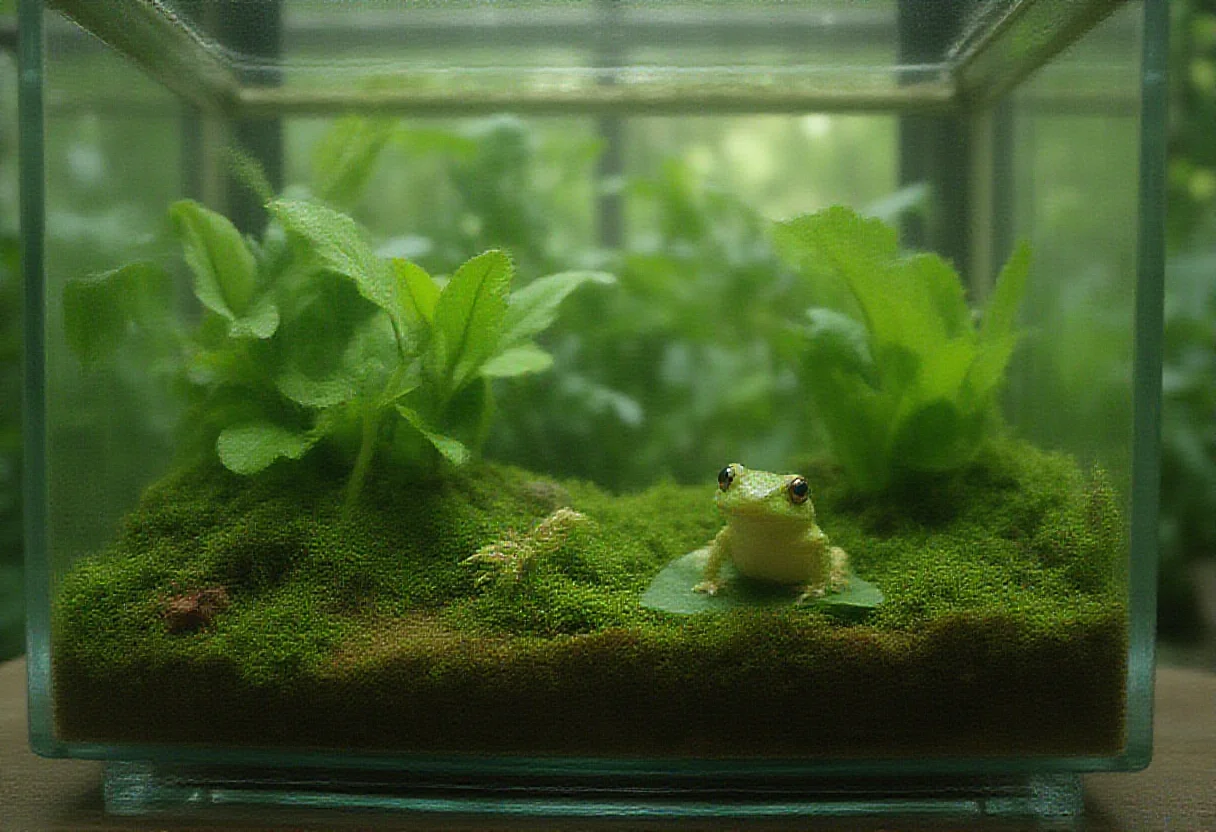
Best Live Plants for a Frog Terrarium: Safe Choices
This post contains affiliate links. As an Amazon Associate I earn from qualifying purchases. Prices and availability are shown by Amazon and can change.
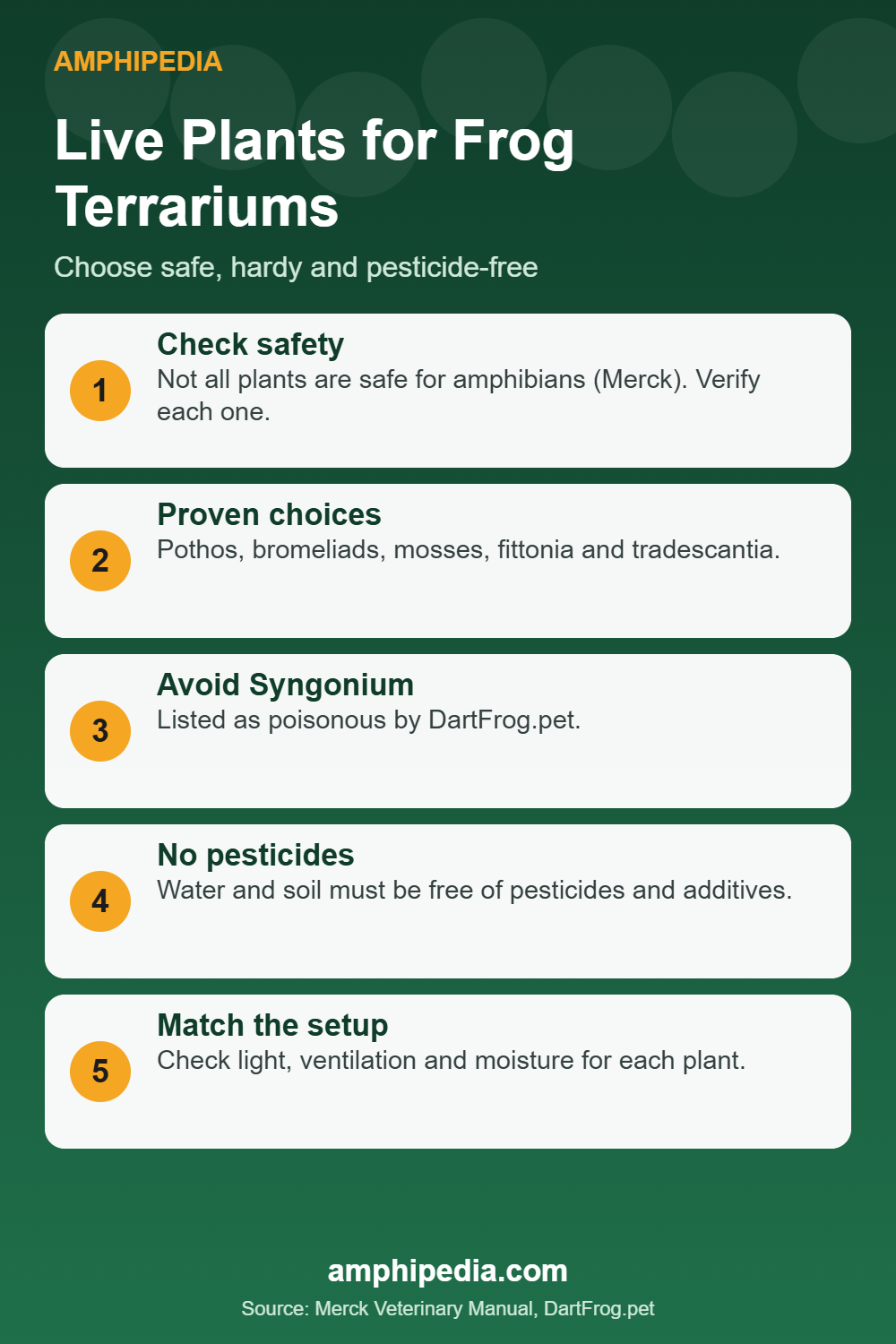
The best live plants for a frog terrarium are hardy, humidity-tolerant species such as pothos, bromeliads, mosses, fittonia and tradescantia, bought pesticide-free and checked against a reliable toxicity list. Merck warns that not all plants are safe for amphibians, so confirm each species with an experienced keeper or exotics vet before planting.
Live plants give a frog cover, climbing routes and a more stable microclimate. They also add risk. Amphibian skin absorbs chemicals, and a nursery plant treated with pesticide can harm an animal long after the label has gone.
This guide covers which plants keepers commonly use, how to match plants to light and humidity, what to check before buying, and how to plant and maintain a terrarium without harming your frog. A table of current Amazon picks follows the key takeaways.
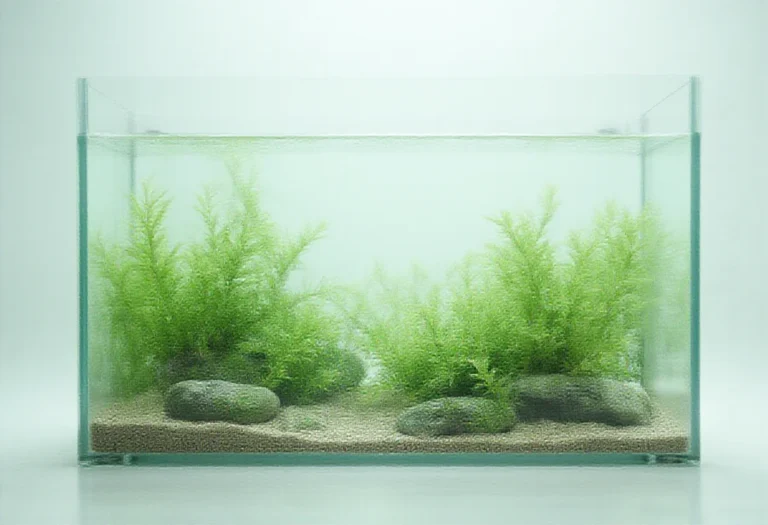
How this was made: prepared with AI assistance and checked against the sources listed at the end. Images are AI-generated illustrations, not photographs of real animals or products.
Key Takeaways
- Merck says live plants help terrestrial setups but not all plants are safe, so check with an experienced owner, breeder or vet.
- DartFrog.pet lists pothos, bromeliads, air plants, mosses, fittonia and tradescantia among popular vivarium plants.
- Syngonium is listed as poisonous by DartFrog.pet. Avoid it.
- Water and soil must be free of pesticides and chemical additives (Merck).
- Match plants to the species: some need ventilation, and some dry out quickly under lights.
Pin this infographicShare on Facebook
Live terrarium plants and moss on Amazon
Check every plant against a toxicity list and ask the seller about pesticide treatment before you plant it.


Product titles, prices and ratings are provided by Amazon and are accurate only at the time they are displayed.
Why live plants help frogs
Live plants add hiding places and visual security, which LafeberVet recommends for White’s tree frogs. They also give climbing and perching routes, and their leaves hold moisture that helps microhabitat humidity.
Merck says live plants help terrestrial setups and provide hiding and perching spots. It also warns that not every plant is safe, which is why species choice and sourcing matter more than appearance.
Plants keepers commonly use
DartFrog.pet lists many plants that suit humid vivariums. Each has trade-offs, so match them to your frog and enclosure.
Start with a short list and add to it later. A few hardy species planted well look better and work better than a crowded tank of fussy ones. Check each plant’s adult size before you buy, because a cutting that looks tiny today may fill the space within months.
- Pitcher plants: not suited to thumbnail dart frogs, and thorny varieties should be avoided.
- Philodendrons: some varieties grow too large for a vivarium.
- Syngonium: listed as poisonous.
| Plant type | Notes from DartFrog.pet |
|---|---|
| Pothos | Fast grower; roots form between leaves in humid conditions |
| Bromeliads | Need good ventilation; avoid planting them in soil |
| Air plants | Mount higher up; mist often; keep off saturated materials |
| Mosses | Ground cover with leaf litter; sheet and mood moss need ventilation and dry spells |
| Begonias | Finicky; dislike wet leaves and soggy soil |
| Others listed | Tradescantia zebrina, Pilea cadierei, Baby Tears, Fittonia, Marcgravia |
How to choose and check plants
Start with what your frog needs. A climbing tree frog needs sturdy leaves and branches. A small dart frog needs small, shade-tolerant plants. Check light and ventilation before you buy.
Then check safety. DartFrog.pet links to the ASPCA Pet Safe Plants list and the FDA Poisonous Plant Database for toxicity checks, but neither is a full guide for amphibians. Ask an experienced keeper or vet if the species is unfamiliar.
Treat the first weeks as a trial. Hold new plants in a separate container for a short time, watch for pests or rot, and only then move them into the terrarium. This is general good practice, not a guarantee, and it does not replace a species check.
- Pick plants that fit your frog’s size and climbing habits.
- Check each species against a toxicity list and a care sheet.
- Ask the seller whether the plants were treated with pesticides.
- Choose plants that tolerate your light, humidity and ventilation.
- Plan to quarantine and rinse new plants before planting.
Planting and substrate tips
Use soil without additives. Merck says soil must be free of chemical additives, and warns that cedar and pine contain toxic oils. Heating soil to 93°C for 30 minutes or freezing it below 0°C reduces pests.
Keep the root zone damp but not soggy. Bromeliads, air plants and some mosses need air movement, so make sure the enclosure has ventilation. Merck suggests one to two fresh air changes per hour.
Give each plant a stable anchor. Rocks, cork and root structures help. If a plant tips over, it can crush a small frog or flood the root zone. Test the layout with a gentle shake before you add the animal.
- Plant in layers: ground cover, mid-height foliage and climbing plants.
- Leave open floor space and clear paths for the frog.
- Anchor plants so they cannot tip over.
- Add leaf litter or bark for extra cover.
- Trim to keep light and airflow reaching the lower layers.
Maintenance and hygiene
Trim dead leaves, remove mould, and replace plants that rot. Replace food and water daily, and remove waste. When you clean the enclosure, do it away from food areas as the CDC advises.
Wash your hands after planting, trimming or handling soil and water. Amphibians can carry Salmonella even when healthy, and plant pots and tank water can spread it.
Prune lightly and often. Heavy pruning at one time changes light and humidity quickly. Dispose of cuttings and old soil in the household rubbish or compost, not in a drain or pond, because some plants can become invasive outdoors.
Common mistakes
Most plant problems come from skipping checks.
- Buying plants because they look good, not because they are safe.
- Planting treated nursery stock straight into the terrarium.
- Choosing plants that need strong light in a dim enclosure.
- Burying bromeliads in wet soil.
- Forgetting that some plants outgrow the space.
- Using cedar or pine chips as substrate.
Related guides
For ground cover, see our moss starter culture guide. For climbing structures, read the vivarium branch decor kit guide and the bamboo decor guide for tree frogs.
Choosing plants that stay in proportion
Oklahoma State University Extension advises choosing naturally dwarf, slow-growing plants that tolerate high humidity and low to medium light. It describes tall terrarium plants as 6 to 12 inches, short rounded plants as under 6 inches and short prostrate plants as 1 to 3 inches tall. This sheet is written for sealed plant terrariums, so use the sizes as a rough guide for a frog tank.
It also says to prune aggressive or fast-growing plants regularly, and that a miniature landscape stays in proportion for about a year. Plan to trim, replace or move plants well before they crowd the frog out.
- Ask the seller for the adult height and spread, not the size in the pot.
- Put slow growers near the glass, where you can reach them for trimming.
- Keep a free patch of open floor, even in a dense tank.
Watering plants without flooding the tank
Oklahoma State advises keeping the potting medium moist but not wet, adding small amounts of water, and avoiding soaking the foliage. It warns that wet foliage can become infected by water-borne bacteria or fungi, and that overwatering can cause roots to rot. Once a terrarium has settled into its own water cycle, it needs water only infrequently.
The same sheet advises against rock, sand or charcoal drainage layers, because water sits in the medium until it is saturated and can then suffocate roots in the layer below. This advice is for plant terrariums, and animal vivarium practice may differ, so treat it as one view. If you build a drainage layer, keep it separated from the soil and do not let it stay flooded.
Soil and plant food: where the advice conflicts
Merck says soil used for amphibians must be free of chemical additives. Oklahoma State Extension, writing about plant terrariums, says commercial potting medium already contains a starter fertiliser charge and suggests half-strength houseplant fertiliser later.
Those two statements do not fit together for a frog tank. The extension sheet is for plants alone, while Merck is about animals with thin, permeable skin. For a frog, follow Merck: choose a medium labelled free of added fertiliser and wetting agents, and do not add plant food unless an experienced keeper or vet of your species advises it.
A toxicity list for pets is not an amphibian list
The ASPCA lists golden pothos as toxic to dogs and cats because of insoluble calcium oxalates, with signs such as mouth irritation, drooling and vomiting. Its page does not mention amphibians. The FDA and ASPCA resources that DartFrog.pet links to are likewise not full guides for amphibians, as noted above.
That does not show that pothos is unsafe for frogs, and DartFrog.pet lists it as a popular vivarium plant. It means that no list in the sources we checked answers the question. Treat every plant as unproven until a keeper of your species vouches for it.
Disposing of cuttings: some plants spread outdoors
The University of Florida IFAS Extension lists Tradescantia pendula, the wandering Jew or inchplant, as invasive and not recommended. It says the stems root where they touch soil and that cuttings root easily.
Tradescantia is among the plants DartFrog.pet lists for vivariums, so this matters to frog keepers. Check whether a plant is invasive in your region before you plant it. Put trimmings in a sealed bag in household waste, never in a garden bed, pond or compost heap.
Frequently Asked Questions
Are pothos safe for frogs?
DartFrog.pet lists pothos as a popular vivarium plant. Still, check any plant against a toxicity list and ask an experienced keeper or vet.
Which plants should I avoid?
DartFrog.pet lists Syngonium as poisonous and warns against thorny pitcher plants and oversized philodendrons.
Do I need to rinse new plants?
It is a sensible precaution because pesticides can remain on nursery plants. Use dechlorinated water and ask the seller about treatments.
Can I use garden soil?
Merck says soil must be free of additives. Garden products may contain fertiliser or pesticide, so avoid them.
Do plants need special light?
Match the plant to the light. DartFrog.pet notes that lighting can dry out air plants and moss, so they need regular watering or misting.
Can plants replace misting?
No. They help hold moisture but do not replace humidity control.
Bottom Line
A good frog terrarium plant is hardy, safe, sized for the animal and sourced without pesticides.
Choose a few reliable species, plant in layers and maintain them well. Your frog will use them every day.
Sources
- DartFrog.pet: Popular Vivarium Plants, accessed Plant choices and moisture needs
- Merck Veterinary Manual: Housing for Amphibians, accessed Temperature, humidity, water quality, lighting, substrate, cleaning
- LafeberVet: Basic Information Sheet, White’s Tree Frog, accessed Humidity, water, supplements and feeding for a common pet frog
- CDC: Reptiles and Amphibians (Healthy Pets), accessed Salmonella risk, handwashing and cleaning habitats
- Oklahoma State University Extension: Terrariums, accessed 12 November 2026. Plant size, watering, drainage, fertiliser
- ASPCA: Golden Pothos, accessed 12 November 2026. Toxicity to dogs and cats
- University of Florida IFAS Extension: Tradescantia pendula (wandering Jew), accessed 12 November 2026. Invasive status and rooting

9 Comments