Best Pond Pump for a Paludarium: Quiet, Adjustable Flow
This post contains affiliate links. As an Amazon Associate I earn from qualifying purchases. Prices and availability are shown by Amazon and can change.
The best pond pump for a paludarium is a small, fully submersible pump with adjustable flow, a covered intake, and quiet operation. Amphibians need moving water to stay clean, but strong currents stress many species. Choose a pump you can throttle, shield the intake, and clean it regularly so it never becomes a source of waste or injury.
A paludarium joins land and water in one enclosure. A pump can drive a waterfall, a stream or a filter, and it adds humidity and gas exchange. It can also be too strong, too loud or a trap for small animals.
This guide explains how to size a pump for a paludarium, which safety features matter, and how to keep water safe for amphibians. It covers general principles, since species and tank layouts vary widely. A table of current Amazon picks follows the key takeaways.
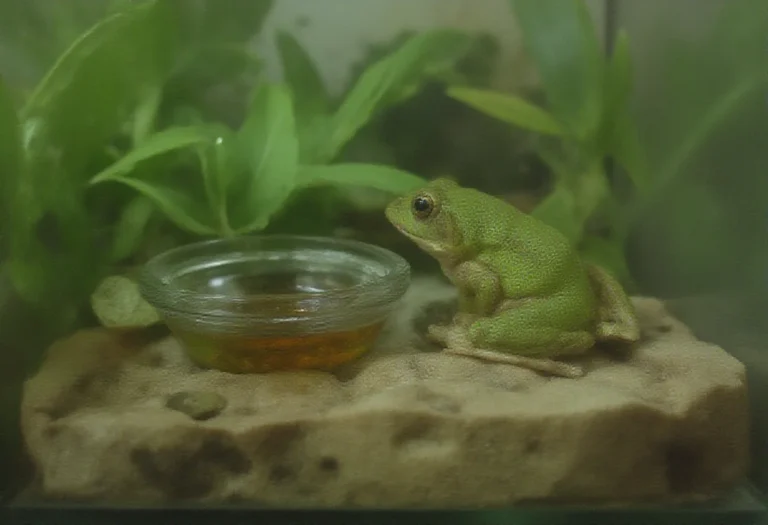
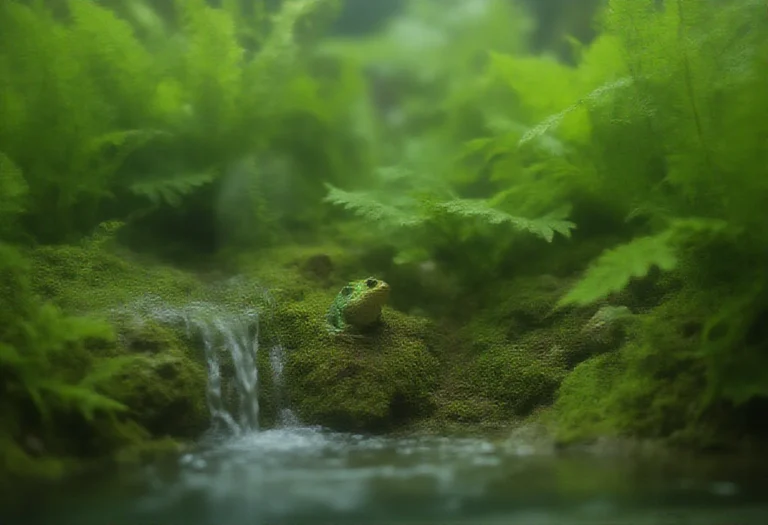
How this was made: prepared with AI assistance and checked against the sources listed at the end. Images are AI-generated illustrations, not photographs of real animals or products.
Key Takeaways
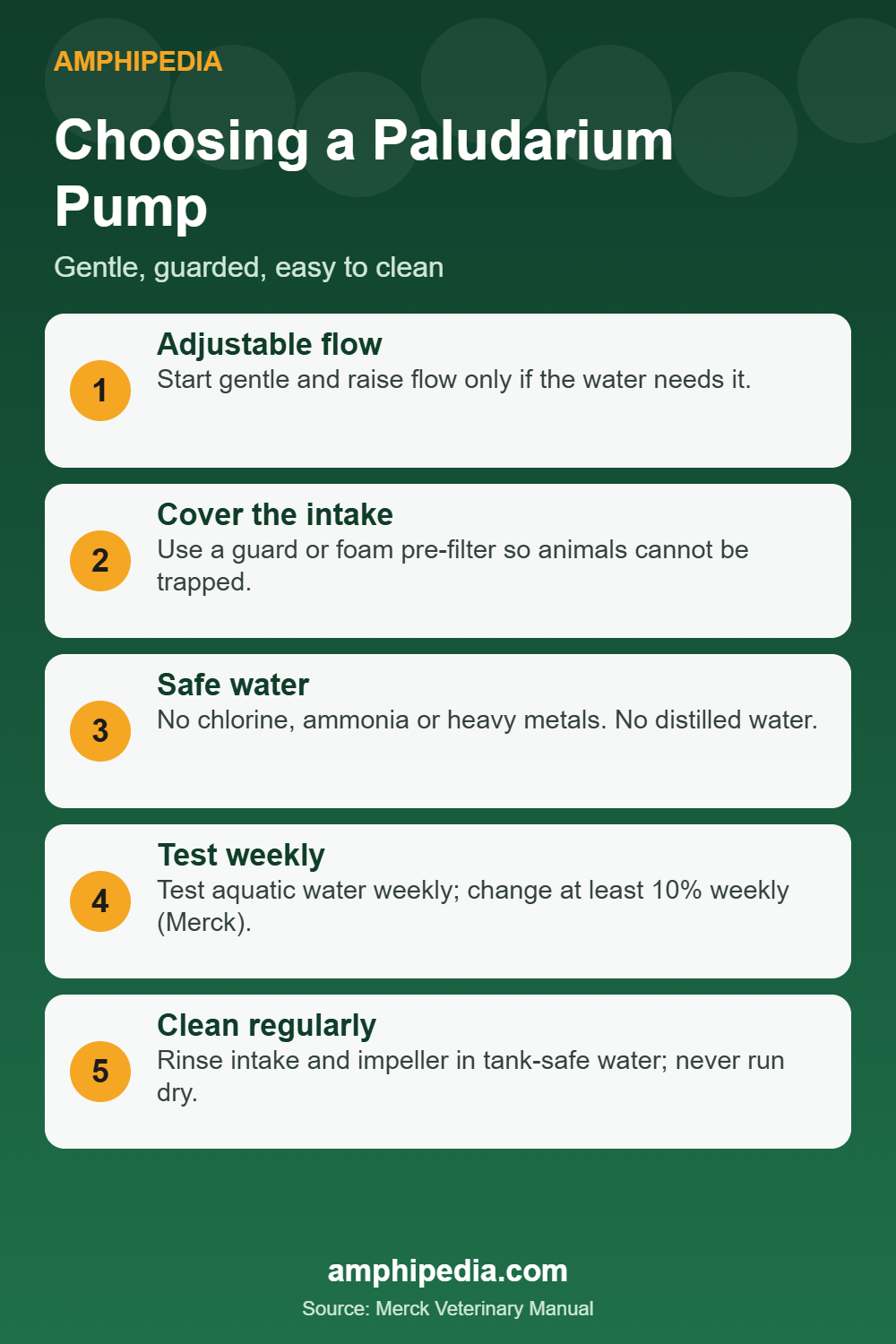
- Merck lists waterfalls, streams and filters as ways to keep amphibian water clean and humid.
- Adjustable flow matters more than raw power. Start gentle and raise it only if the water needs it.
- Shield intakes and outlets so animals cannot be trapped or pulled in.
- Water must be free of chlorine, ammonia, nitrite, pesticides and heavy metals.
- Test aquatic water weekly and change at least 10 percent weekly in established tanks (Merck).
Pin this infographicShare on Facebook
Small submersible pumps on Amazon
These small pumps match the checklist above. Check the listing for adjustable flow, size and an intake you can guard, and start on the lowest setting.


Product titles, prices and ratings are provided by Amazon and are accurate only at the time they are displayed.
What a pump does in a paludarium
In a paludarium, a pump moves water from the pool to a waterfall, stream or filter and back. That movement keeps water from stagnating and raises local humidity. The Merck Veterinary Manual lists external canister filters among options for tanks, waterfalls, streams and ponds.
A pump is not a substitute for water changes. It moves water around but does not remove dissolved waste unless it feeds a filter.
Land areas matter too. Keep hiding spots, plants and a basking-free damp zone away from the splash so animals can leave the water completely. Merck notes that even land-dwelling species need a shallow water container, and that streams, waterfalls and frequent misting help maintain moisture.
How to choose the right pump
Compare the same points across models. Read the listing for stated flow, power and size, and do not assume a larger number means a better fit.
- Adjustable flow: a dial or valve lets you reduce output to suit still-water species or a gentle trickle.
- Fully submersible rating: confirm it is designed to run underwater for continuous use.
- Size: it must fit your water section with enough depth to cover the pump body.
- Noise: a pump that hums or rattles is a poor companion in a living room. Silicone feet and a stable position help.
- Intake guard: look for fine slots or add a foam pre-filter so small animals cannot be pulled in.
- Cord and fittings: a drip loop in the cable and tubing that fits snugly reduce leaks and shocks.
Sizing and layout
Size the pump for the water you want to move, not for the whole tank. A small waterfall needs far less than a long stream. Over-sizing leads to splashing, noise and animals swept away.
Place the outlet so water runs over rock or a ramp instead of falling straight into the pool. Keep splash away from electrical sockets, lights and a mesh lid where possible. Provide shallow areas and easy exits so animals can climb out.
Test the layout with the lid on and the lights running for at least a day before animals go in. Look for leaks behind rockwork, spray reaching the mesh, and any gap where a small animal could slip behind the pump. Fix these first, because they are hard to correct once the tank is planted.
- Decide where water should flow: a trickle, a stream or a spray bar.
- Choose a pump with adjustable flow and a small body.
- Cover the intake and test the flow before adding animals.
- Add a drip loop to the cable and secure the tubing.
- Re-check output after a week, once plants and decor settle.
Water quality for amphibians
Amphibian skin absorbs toxins, so water must be free of chlorine, ammonia, nitrite, pesticides and heavy metals. Merck advises running tap water through a carbon filter for at least 24 hours, with a dechlorinating agent first if chloramine is present. It also says distilled water should not be used.
For aquatic setups, Merck suggests testing temperature, pH, hardness, ammonia, nitrite and nitrate weekly and changing at least 10 percent of the water weekly in established tanks. Our dechlorinator guide and pH meter guide help with this.
Cleaning and maintenance
Pumps collect algae, debris and biofilm. Unplug the pump, lift it out, and rinse the intake and impeller in tank-safe water. Never use soaps or scented cleaners on parts that sit in amphibian water.
If you disinfect equipment, Merck gives a bleach solution of 30 mL per litre of water, at least 30 minutes of contact, then a thorough rinse and drying. Do this away from food areas, as the CDC advises.
- Check flow and noise weekly.
- Clear the intake guard of debris.
- Inspect the cord and plug for damage.
- Replace worn foam pre-filters.
- Never run the pump dry.
Common mistakes
The usual problems come from a pump that is too strong or unguarded.
- Choosing a high-flow pump for a small tank, which stresses animals.
- Leaving the intake uncovered.
- Skipping the drip loop and letting water run down the cord.
- Using one pump for both a waterfall and a heavy filter without checking flow.
- Ignoring noise until it disturbs sleep.
- Skipping weekly water tests because the water looks clear.
Will a pump raise humidity enough?
The Merck Veterinary Manual says most amphibians do well at 75 to 80 percent humidity, while tropical species may need 85 to 90 percent. It lists small streams, waterfalls, ultrasonic humidifiers and frequent misting as ways to keep moisture up, and says every enclosure should have a humidity gauge.
A waterfall helps, but its effect depends on your room, lid and species. Read the gauge at the same time each day for a week and compare it with your species target before adding a fogger or more misting.
Merck also says amphibian enclosures need good ventilation, about 1 to 2 air changes per hour. Moving water adds moisture, but sealing the lid to hold it in works against ventilation.
Place the gauge away from the direct spray of the waterfall, so it reads the air the animals breathe and not the splash. Compare readings from the land side and the water side if your layout is large.
Flow depends on what lives in the water
Merck says some aquatic species need gentle filtration that keeps water clean without strong currents. A paludarium often mixes land and water, so the pump has to suit the animals that actually use the pool.
| Setup | What the pump is for | Flow approach |
|---|---|---|
| Mostly aquatic animals | Water movement and filtration | Gentle, low setting, intake guarded |
| Semi-aquatic animals | Stream or waterfall feeding a pool | Low trickle onto rock, with easy exits |
| Mostly land animals with a shallow dish | Humidity and decoration only | Small water feature kept away from the dish |
Merck notes that even terrestrial species need a shallow water dish. If your animals rarely enter the pool, the pump is a decor and humidity tool and should not create splash in the resting areas.
Electrical safety around a damp enclosure
A paludarium combines mains power with water, spray and misting. An Ontario teachers’ federation bulletin on aquarium electrical hazards gives rules that apply well to a home enclosure.
- Connect aquarium appliances only to a circuit with a ground fault interrupter, at the outlet or the panel.
- Provide a drip loop on every cord that leads away from the tank, so water cannot run down the cord into the connection.
- Do not touch cords, plugs or appliances with wet hands.
- Keep cords and outlets away from places where spills or leaks may happen.
- Use a grounded power bar or extension cord for three-pin plugs.
- Never use equipment that has been tagged out as faulty.
Mist and spray add to the risk, so place sockets above the water level and out of the mist path.
Pump troubleshooting
Most pump problems are easy to trace if you check them in a set order.
| Problem | What to check first |
|---|---|
| Flow drops over time | Debris in the intake guard or foam pre-filter |
| Rattling or humming | Pump resting on glass or rock instead of a soft pad, or air in the housing |
| Water level falls fast | Leak behind rockwork, or spray landing outside the pool |
| Humidity stays low | Gauge reading, lid fit and how much of the flow breaks the surface |
| Tank warms up | Thermometer reading with the pump on and off, and lighting hours |
Change one thing at a time and give the animals a day to settle before you judge the result.
Running the pump on a schedule
If a waterfall is noisy at night, a timer can pause it. Do not pause the pump if it also feeds a filter, since a filter that stops running can let waste build up.
Whatever schedule you choose, record it and the humidity readings together for a week. That small log shows whether a change helped.
Merck says humidifiers and spray bottles must be disinfected weekly to remove potentially pathogenic bacteria. A waterfall reservoir and its tubing are also warm, wet places, so put a regular rinse of the pump parts on the same calendar as your water tests.
Frequently Asked Questions
Do frogs need a water pump?
Not always. Still-water species can do well without one. A pump helps with waterfalls, streams and filtration in larger paludariums.
How strong should the flow be?
As gentle as the setup allows. Use an adjustable pump, start low and watch the animals.
Do I need a filter as well as a pump?
A pump moves water. Waste still needs a filter or regular water changes. See our frog tank pump and filter guide.
Can I use tap water?
Only if chlorine and chloramine are removed. Merck advises carbon filtration and a dechlorinating agent where needed.
How do I stop animals getting trapped?
Cover the intake, avoid deep drops and give shallow exits and climbing surfaces.
Is the pump noise a problem for animals?
Choose a stable position, add soft feet where possible, and watch how the animals behave after installation.
Bottom Line
A good paludarium pump is quiet, adjustable and guarded. Pair it with clean, safe water and routine cleaning.
For more water-feature ideas, see our guide to a fogger for a paludarium and the eco-safe pond filter.
Sources
- Merck Veterinary Manual: Environment and Husbandry for Amphibians, accessed Water quality, UVB, ventilation, sanitation
- Merck Veterinary Manual: Housing for Amphibians, accessed Temperature, humidity, water quality, lighting, substrate, cleaning
- CDC: Reptiles and Amphibians (Healthy Pets), accessed Salmonella risk, handwashing and cleaning habitats
- PetMD: Frog Care 101, accessed General frog housing and water
- Ontario Secondary School Teachers’ Federation: Electrical Hazards Involving Aquariums in Schools, Ground fault protection, drip loops and wet-hand rules


3 Comments