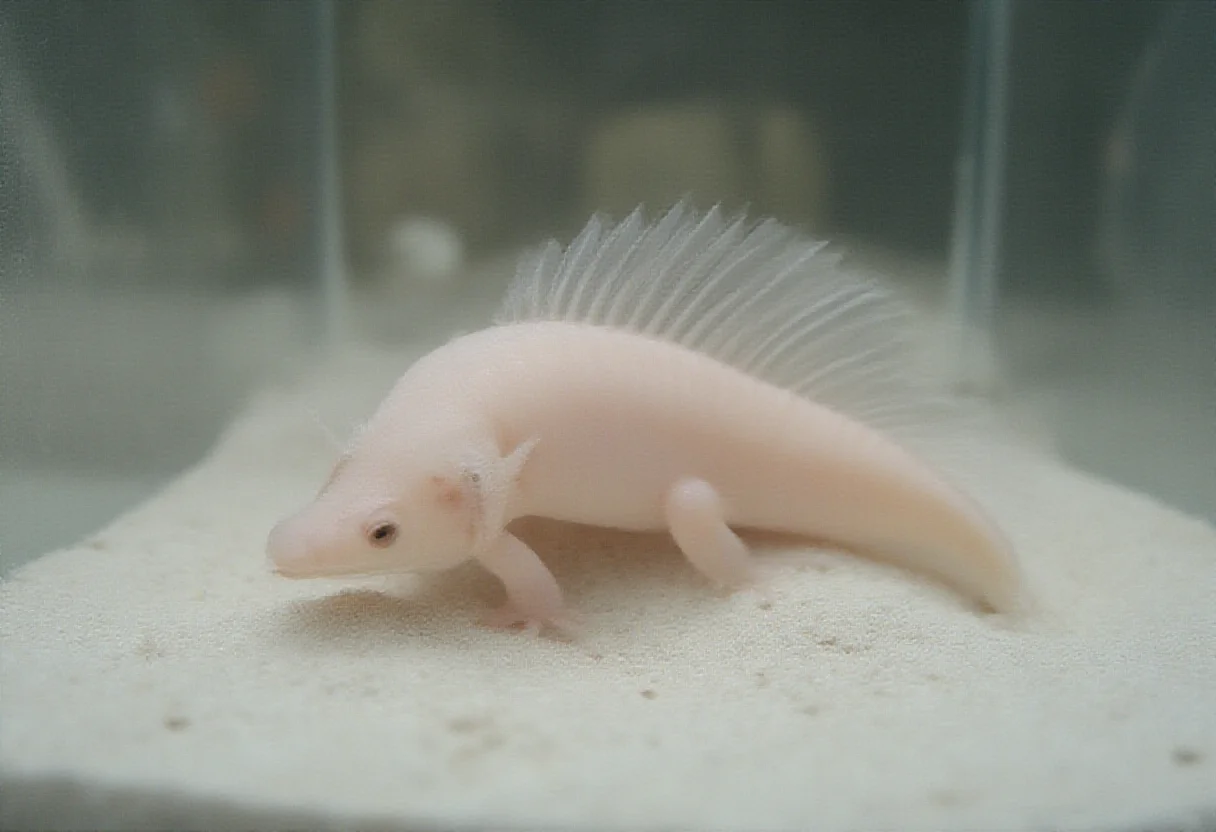
Mini Air Pump for an Amphibian Tank: How to Choose One
This post contains affiliate links. As an Amazon Associate I earn from qualifying purchases. Prices and availability are shown by Amazon and can change.
A mini air pump suits aquatic amphibians such as axolotls, newts and aquatic frogs when you want gentle surface movement and a steady supply of oxygen. Pick a quiet, small pump with an adjustable valve, a check valve and a soft air stone. Axolotls dislike strong flow, so aim for fine bubbles and mild surface ripples, and watch how the animal reacts.
An air pump does one simple job. It pushes air through tubing so that bubbles or a sponge filter move water at the surface. That movement helps carbon dioxide leave the water and oxygen enter it, which is the basis of good aeration.
This guide covers who needs a pump, how to keep the flow gentle, and what to check before you buy. It also lists the mistakes that cause noise, back-siphoning and stressed animals.
How this was made: prepared with AI assistance and checked against the sources listed at the end. Images are AI-generated illustrations, not photographs of real animals or products.
Key Takeaways
- Surface movement drives gas exchange, so ripples matter more than bubble count.
- Axolotls should not face strong flow, according to the Royal Veterinary College.
- Choose a pump with an adjustable air valve so you can turn the output down.
- Install a check valve and keep the pump above water level or use a loop to stop back-flow.
- Water should stay cool for cold-water species, and aeration does not replace a filter or water changes.
- Land-dwelling frogs and toads in a terrarium do not need an air pump.
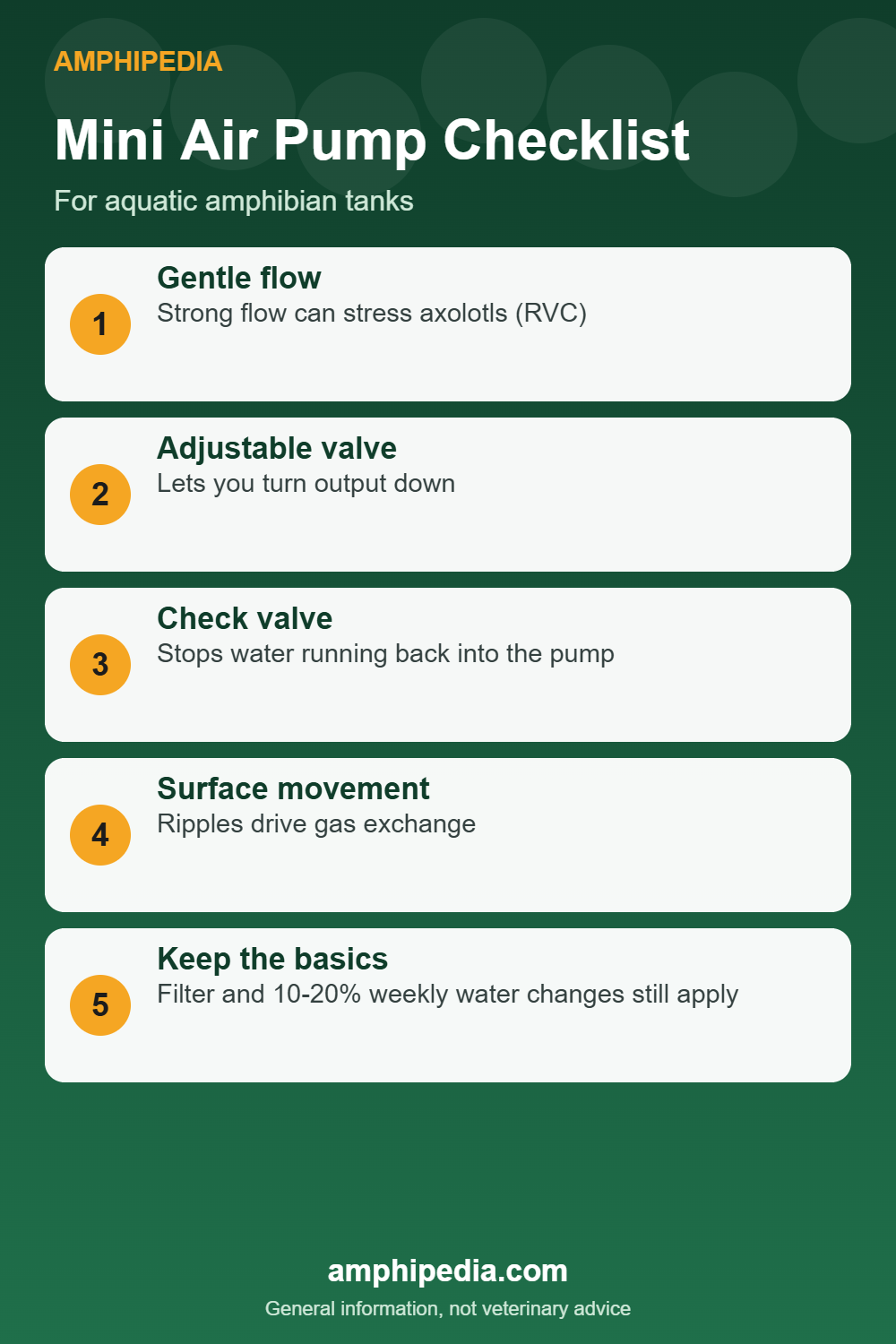
Pin this infographicShare on Facebook
Mini Air Pumps Worth Considering
These pumps are listed from highest to lowest price. Match size to your tank and use a valve to keep the flow gentle.


Product titles, prices and ratings are provided by Amazon and are accurate only at the time they are displayed.
Who needs an air pump and who does not
Fully aquatic amphibians live in water all day, so water quality is part of every breath. These include axolotls, aquatic frogs, and newts in their water phase. A pump can help in a tank without strong filter movement or with a sponge filter.
Terrestrial and arboreal species such as tree frogs, dart frogs and most toads use a terrarium with a shallow water dish. An air pump does nothing for them and adds noise. For those animals focus on humidity, ventilation and clean water dishes.
A pump is not a cure for dirty water. The Royal Veterinary College advises that axolotl filters are strongly advised to keep ammonia low, and that weekly water changes of 10 to 20 percent are typical. Aeration supports those basics rather than replacing them.
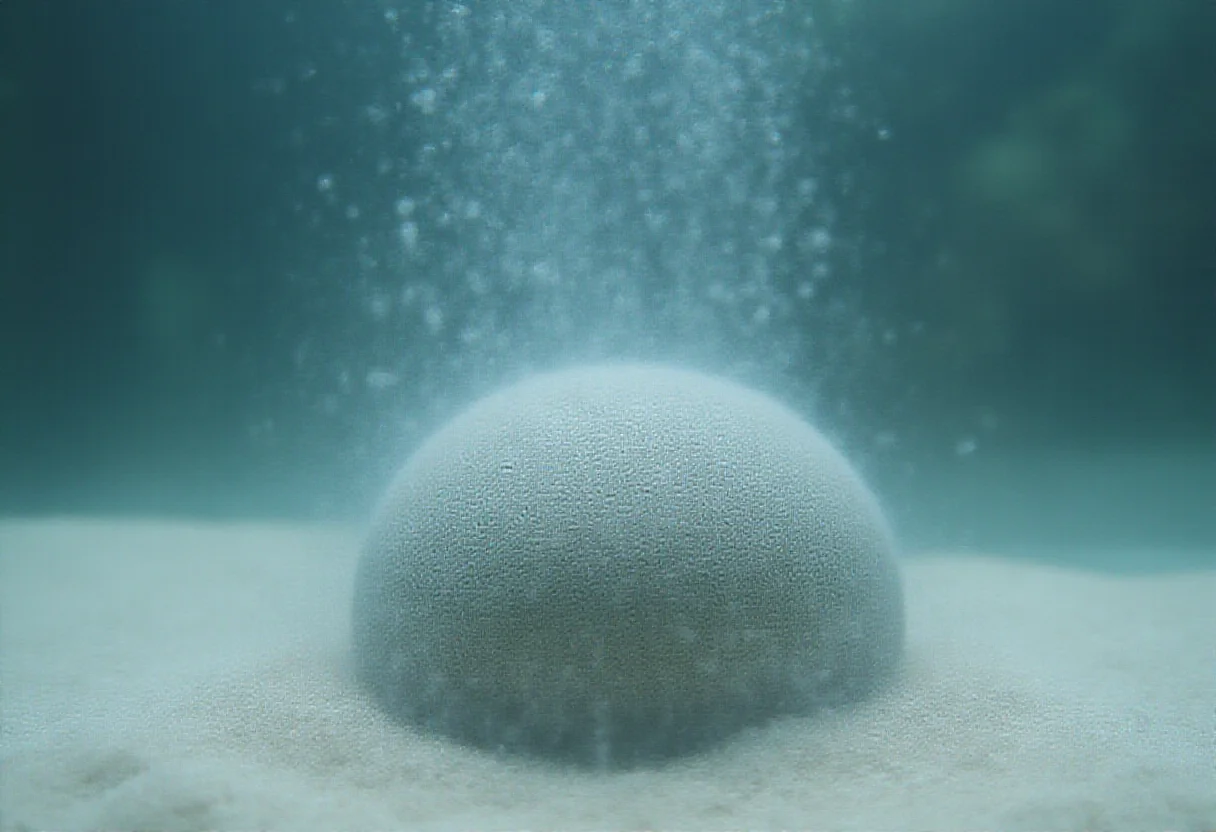
How aeration works in plain terms
An air pump sits outside the tank and pushes air through airline tubing. A check valve in the line stops water from flowing back down the tube. The air then leaves through an air stone or powers a sponge filter, according to Aquarium Co-Op.
The same source explains that surface agitation drives gas exchange. Carbon dioxide leaves the water and oxygen enters from the air. A long, shallow tank has more surface area than a tall, narrow one, so it exchanges gas more easily.
Bubbles help mostly because they lift and stir the water. Many small bubbles are quieter than a few large ones, which is why fine-bubble stones are popular.
Keep the flow gentle for axolotls and newts
The RVC care sheet states that filters must not create strong flow, which can cause severe stress for axolotls. It also says axolotls should sit in a quiet, vibration-free place. Treat pump output the same way.
Start with the lowest flow your valve allows. Watch the animal for a day. Signs of unease can include hiding all the time, pressing the gills flat or swimming against the current. If you see these, turn the flow down or move the stone to the far end of the tank.
Dense floating plants can reduce gas exchange, according to Aquarium Co-Op. Leave part of the surface open so ripples can reach it.
What to check before you buy
Pump labels vary and many listings give a tank size range. Use them only as a rough guide. A small tank usually needs a small pump, and a valve lets you throttle a stronger one.
Check the points below before you add anything to the cart.
- An adjustable valve or dial on the pump or tubing line
- A check valve in the box or sold as a cheap add-on
- Noise notes in recent customer reviews, especially at night
- Rubber feet or a soft base to cut vibration
- Standard 3/16 inch airline tubing, so you can swap parts later
- A grounded plug and a drip loop in the cable
- A fine-bubble stone or a sponge filter attachment
Setup tips that prevent problems
Place the pump above the water line, or form a loop in the tubing higher than the water surface. Add a check valve either way. If power cuts out, water can siphon down the tubing into the pump.
Set the pump on a stable shelf away from the glass so it does not buzz against it. A folded towel under it can quiet a noisy base. Keep the unit away from splashes.
For tubing choices, read our guide to flexible aquarium tubing. For the stone itself, see air stones for amphibians.
Common mistakes
The first mistake is buying the strongest pump to be safe. Too much flow can stress a gentle species. A smaller pump with a valve is easier to control.
The second is treating a pump as a cooling device. Cold-water species such as axolotls need a stable cool tank. The RVC says 16 to 18 degrees Celsius is ideal and water should never exceed 24 degrees Celsius. See our guide to keeping an axolotl tank cool.
The third is skipping a filter. Pair aeration with a gentle option, such as the ones in our nano water filter guide.
- Do not aim bubbles straight at the animal.
- Do not run the pump without a check valve.
- Do not forget that the cable needs a drip loop.
- Do not use a pump as a replacement for water changes.
Cleaning and maintenance
Check the stone and tubing each month. A clogged stone raises back-pressure and can make the pump louder. Replace stones when the bubbles turn large and uneven.
Replace airline tubing if it turns cloudy or stiff. Rinse parts in clean water only, without soap or cleaners, because residue can harm amphibians.
Treat all tank equipment with hygiene care. The CDC advises washing your hands after touching animals, water or equipment, and cleaning tank gear outdoors or in a laundry sink, not a kitchen sink.
Low oxygen: signs and first steps
Aquarium Co-Op, a fish-keeping source, says freshwater tanks should ideally hold about 7 to 8 mg/L of dissolved oxygen. It lists resting on the bottom, reduced appetite, rapid gill movement and gasping at the surface as signs of low oxygen in fish. The RVC axolotl sheet gives no oxygen target, so treat these numbers as a general guide, not an amphibian standard.
Aquarium Co-Op names high water temperature, crowding, some medications and weak surface agitation as common causes, and says a large water change is the first step because it adds fresh oxygen at once. For an amphibian that gasps at the surface, also check the temperature and call an exotics vet.
Pump, sponge filter or hang-on filter
Each way of moving water suits a different tank. An air pump with a stone makes fine bubbles that stir the surface quietly. Aquarium Co-Op says an air stone reduces bubbling noise. A sponge filter uses the same air to pull water through a sponge, which gives mechanical and biological filtration.
A hang-on-back filter also agitates the surface but its falling water is loud, according to the same page. For axolotls, the RVC warns that strong flow causes severe stress, so a gentle sponge filter on a valve is easier to control.
Shape of the tank and the surface
Aquarium Co-Op notes that a long, shallow tank has more surface area than a tall, narrow one, which helps gas exchange. It also warns against letting floating plants cover the whole surface, because they limit exchange.
Choose a tank shape and stocking level that suit the animal first. Then use the pump to support it, with an open patch of surface where ripples can reach.
A short setup checklist
- Place the stone at one end, so the animal can leave the bubble stream.
- Fit a check valve and keep the pump above the water line or use a loop.
- Set the valve to the lowest flow and watch the animal for a day.
- Keep the plug and cable dry, with a drip loop.
- Check the water temperature daily. The RVC says axolotl water should never exceed 24 C.
- Note any new hiding, gill flattening or surface gasping and adjust the flow.
Frequently Asked Questions
Do axolotls need an air pump?
Not always. The RVC care sheet stresses cool, clean water and gentle flow. A gentle pump with a soft air stone can help in some setups, but strong flow can stress axolotls.
Do frogs need an air pump?
Fully aquatic frogs may benefit. Terrestrial and tree frogs in terrariums do not need one.
Can a mini air pump run a sponge filter?
Yes. An air pump can drive a sponge filter through airline tubing and gives mild flow with mechanical and biological filtration.
Why is my air pump so loud?
Common causes are vibration against a hard surface, a clogged stone and loose tubing. Rubber feet, a towel pad and a clean stone often help.
Should the pump run all day?
Many keepers run aeration constantly for steady oxygen. If the animal seems stressed by the flow, reduce output rather than switching it on and off.
How do I stop water flowing back into the pump?
Fit a check valve and keep the pump above water level or form a loop in the tubing above the surface.
Bottom Line
A good mini air pump is quiet, adjustable and simple. For most amphibian owners the real win is gentle surface movement, not loud bubbles.
Match the pump to your species, keep the flow soft and keep up your water changes.
Sources
- Royal Veterinary College: Axolotl care sheet (2024), accessed Temperature, filtration, flow, water changes
- Aquarium Co-Op: Air stones guide, accessed How air pumps, check valves and stones work
- CDC: Reptiles and Amphibians, accessed Salmonella and hygiene

4 Comments