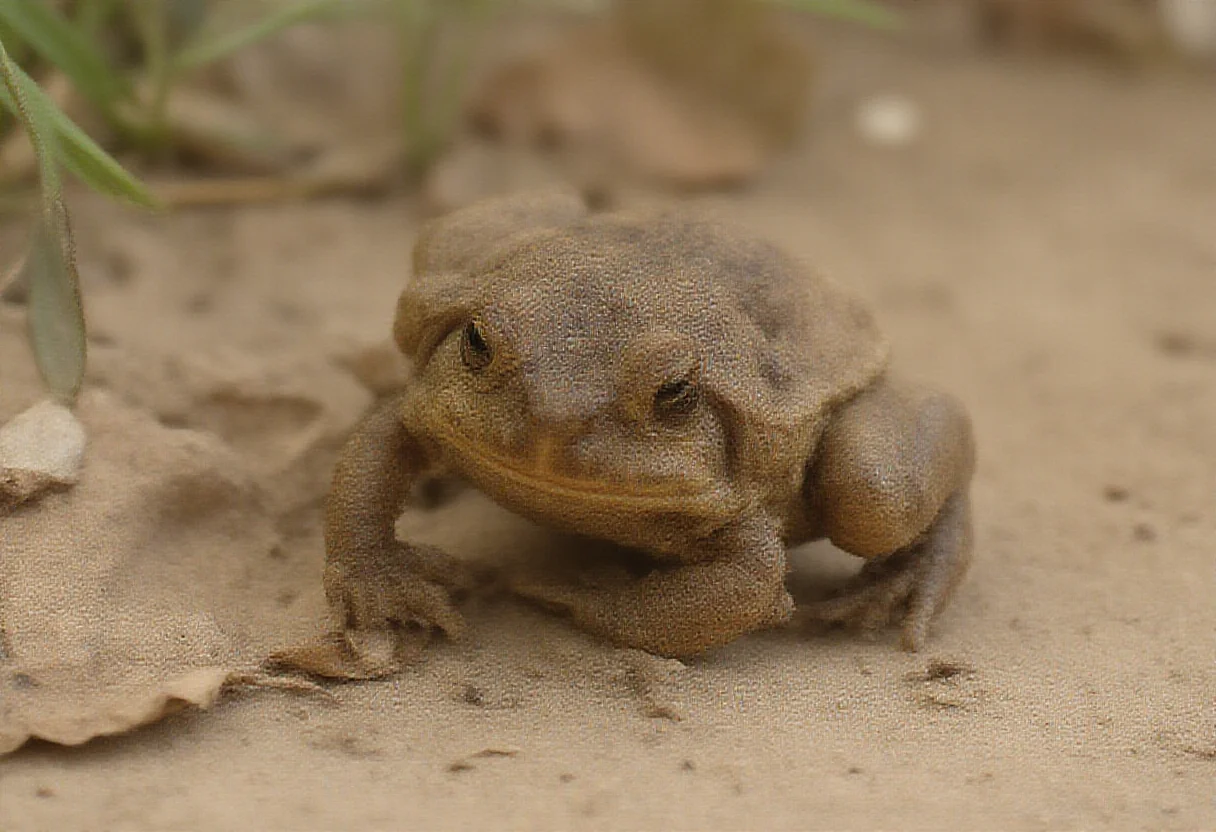
Southern Toad vs Fowler’s Toad: How to Tell Them Apart
Look at the head, the warts and the call. Southern toads (Anaxyrus terrestris) have high head ridges ending in prominent knobs, and a shrill trill. Fowler’s toads (Anaxyrus fowleri) have smaller ridges, at least three warts in each dark back spot, and a nasal bleat. Southern toads live on the Coastal Plain; Fowler’s toads are mostly inland. The two can hybridize, so some toads are hard to name.
Southern and Fowler’s toads look alike at a glance. Both are brown, stout and warty. Where their ranges meet, even experienced observers pause.
This guide compares them feature by feature, using university and state herpetology sources. It also explains why some individuals cannot be named with confidence.
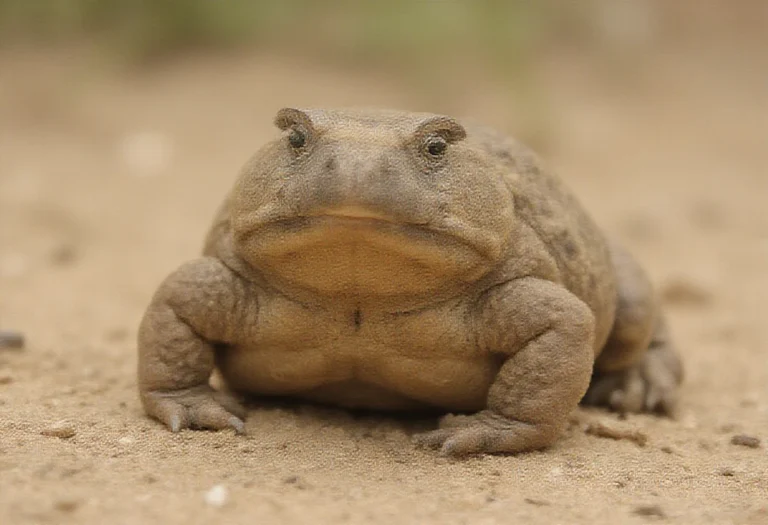
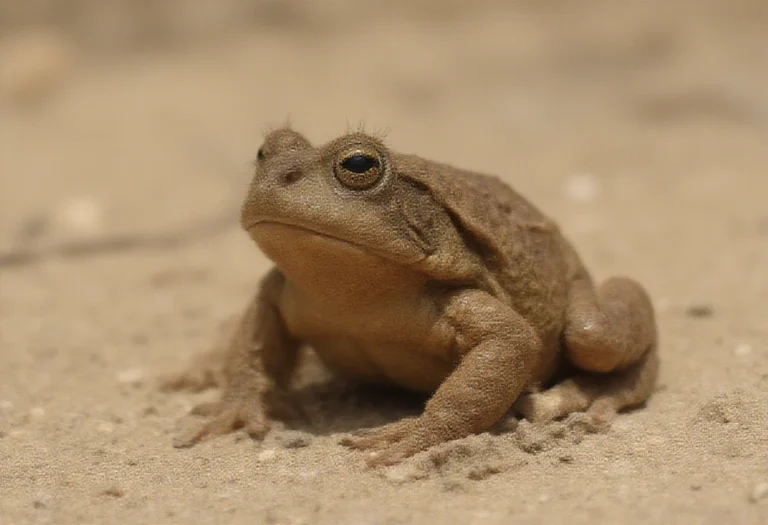
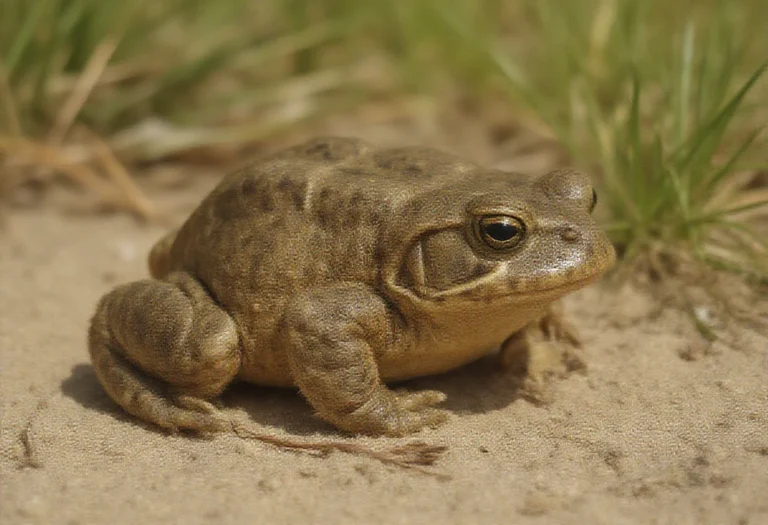
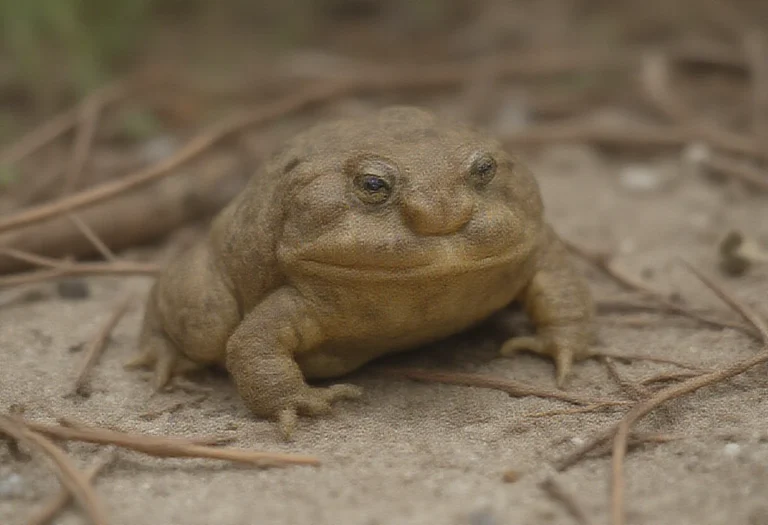
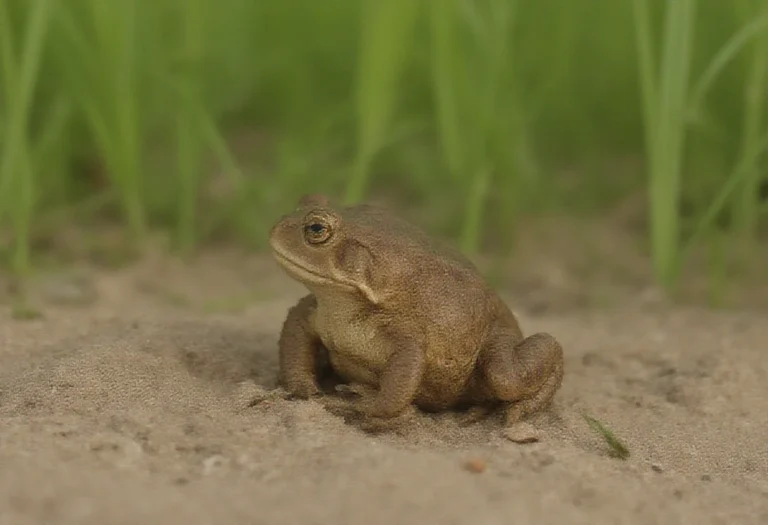
How this was made: prepared with AI assistance and checked against the sources listed at the end. Images are AI-generated illustrations, not photographs of real animals or products.
Key Takeaways
- Southern toads have prominent knobs on the head ridges; Fowler’s ridges are smaller.
- Fowler’s toads have three or more warts in each dark spot; southern toads have one or two in most sources.
- The southern toad trills; Fowler’s toad gives a short nasal bleat.
- Southern toads favour the Coastal Plain; Fowler’s toads are mostly inland and largely absent from coastal Florida.
- The species hybridize, which can blur every rule above.
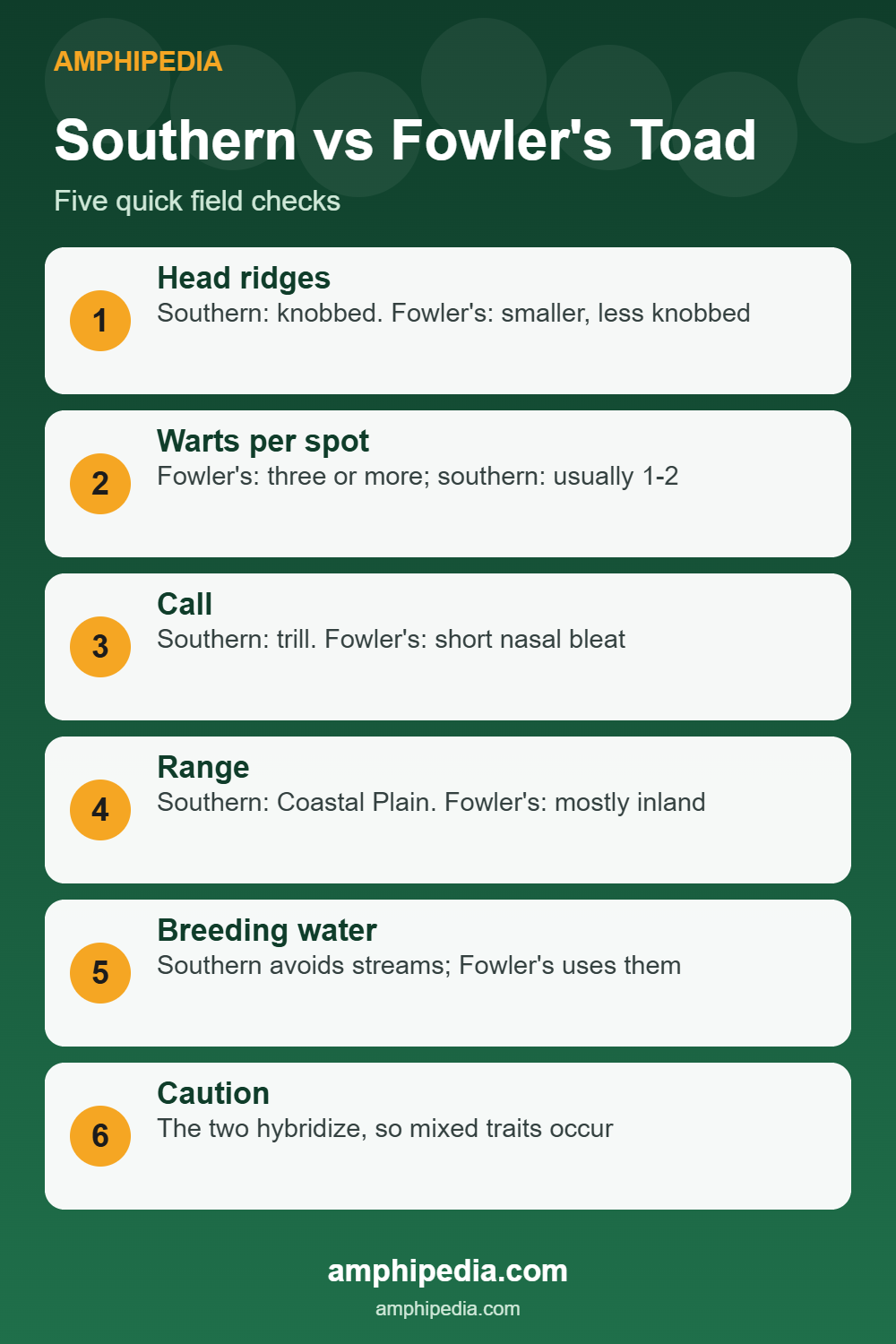
Pin this infographicShare on Facebook
Side-by-side comparison
This table lists the differences described by the Savannah River Ecology Laboratory (SREL), South Carolina PARC and the Virginia Herpetological Society.
| Feature | Southern toad | Fowler’s toad |
|---|---|---|
| Head ridges | High, ending in prominent knobs | Smaller ridges, less knobbed |
| Warts per dark spot | One or two in most sources | At least three |
| Typical length | 41 to 75 mm (1.6 to 2.9 in) | 5.1 to 7.5 cm (2 to 3 in) |
| Call | Shrill trill, 2 to 8 seconds | Nasal bleat, 1 to 4 seconds |
| Range | Coastal Plain, below the Fall Line | Mostly Piedmont and lower mountains |
| Breeding water | Shallow ponds, ditches, pools | Ditches to large ponds and streams |
Head ridges and knobs
The head is the best field mark. SREL says the prominent knobs on the head ridges are the best way to separate the southern toad from similar species. South Carolina PARC says the knobs on Fowler’s toad are less pronounced.
Look from above and slightly behind. A southern toad shows two raised ridges ending in distinct bumps in front of the large glands on the shoulders. A Fowler’s toad has lower ridges and no strong knob.
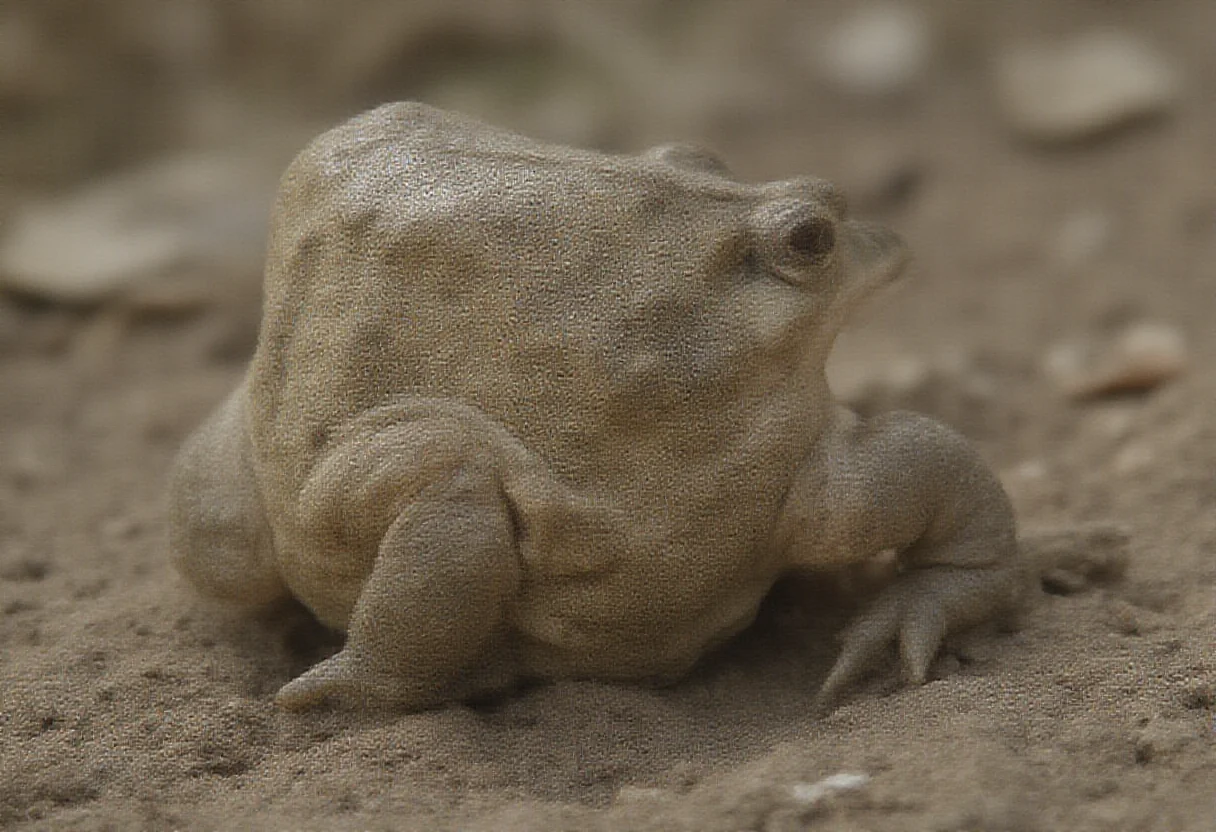
Warts inside the dark spots
Count the warts in the dark blotches on the back. SREL says Fowler’s toads have at least three warts in each dark spot. South Carolina PARC says southern toads lack three or more warts per spot.
Sources are not fully consistent here. The Virginia Herpetological Society describes southern toad spots with one, two or more warts. Treat the wart count as a hint, not proof, and combine it with the head ridges.
Size and colour
Southern toads are typically 41 to 75 mm, with some islands holding toads up to 113 mm, according to SREL. Fowler’s toads are 5.1 to 7.5 cm, with a record of 9.5 cm.
Both vary in colour. Southern toads are usually brown, but may be gray, blackish or brick red. Fowler’s toads are usually brown or gray, sometimes greenish or reddish, often with a faint pale stripe along the back.
Size and colour overlap too much to separate the species by themselves.
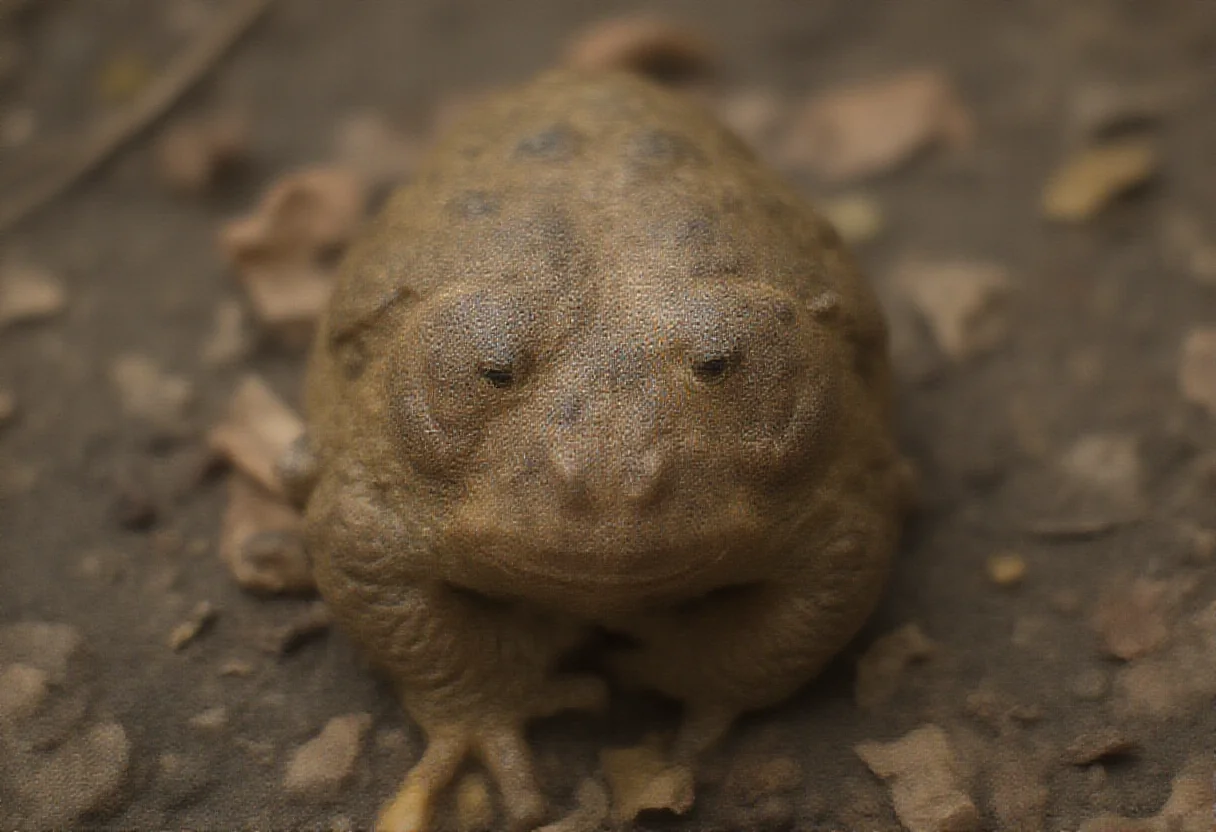
Calls
Calls are often the easiest clue at night. SREL describes the southern toad as a shrill, high-pitched trill lasting 2 to 8 seconds. It describes the Fowler’s toad as a short, nasal bleat lasting 1 to 4 seconds, said to resemble a sheep.
If you hear a long steady trill from a pond edge, think southern toad. If you hear a short buzzy bleat, think Fowler’s.
Range and habitat
Range separates them in many areas. Southern toads live on the Atlantic and Gulf Coastal Plain, from southeastern Virginia to Florida and west to eastern Louisiana. Fowler’s toads occur across much of the eastern United States but are largely absent from the Coastal Plain of South Carolina, Georgia and Florida.
Breeding sites differ. The Virginia Herpetological Society says southern toads rarely breed in streams or rivers, unlike Fowler’s toads. Southern toads breed in ponds, ditches, cypress ponds and temporary pools.
When the two hybridize
The Virginia Herpetological Society states that southern toads hybridize with Fowler’s toads and American toads. Hybrids may show features of both parents, which is why field marks can fail.
If a toad shows mixed traits, record the place, the call and photos from several angles, then submit them to your state wildlife agency or a local herpetological society.
Safety and handling
Both toads release skin secretions that can irritate eyes and mouths. Do not rub your face after touching one, and wash your hands. Dogs should be kept from mouthing any toad.
For more detail on one species, see what a southern toad is. For another look-alike, see southern toad vs American toad.
Common identification mistakes
Most errors come from trusting one mark. Here are the traps the sources point out:
- Young southern toads. The Virginia Herpetological Society says the head knobs are less developed in young toads, so a small animal may look like a Fowler’s.
- American toads. SREL says the American toad usually has only 1 to 2 warts per dark spot, compared with at least 3 in Fowler’s toad. A low wart count does not prove a southern toad.
- Oak toads. South Carolina PARC says oak toads are smaller, with shorter limbs and darker colouring, and do not hold themselves as upright.
- Size alone. A southern toad is typically 41 to 75 mm, but island populations may reach 113 mm (SREL). Fowler’s toads run 5.1 to 7.5 cm, with a record of 9.5 cm.
Work through several marks, from the head ridges to the call to the location, and write down which ones agree.
Breeding season and eggs compared
Both toads breed in water and lay long strings of eggs, but the details differ by source. SREL says southern toads breed from February through October, depending on latitude, with a peak in spring during warm, rainy weather. Females lay 2,500 to 4,000 eggs in long strands, and the eggs hatch in 2 to 4 days.
For Fowler’s toad, SREL says breeding runs from spring through early summer, usually after heavy rains, and clutches can top 25,000 eggs. That figure is far higher than the southern toad’s, so treat it as a reported maximum. The page gives no specific months.
Chorusing is a clue for both. The Virginia Herpetological Society says heavy rain at any time of year may set off southern toad choruses, and breeding aggregations can be very large.
Tadpoles and toadlets
Southern toad larvae develop over 30 to 55 days, according to SREL and the Virginia Herpetological Society. South Carolina PARC says metamorphosis usually occurs 5 to 7 weeks after hatching. In a South Carolina study cited by the Virginia society, toadlets metamorphosed at 54 to 63 days at about 7.46 mm in length.
Fowler’s tadpoles metamorphose in about two months (SREL). The numbers overlap, so tadpole timing does not separate the two.
Southern toad tadpoles school together and often gather in open, sunlit water, which speeds development. After leaving the water, juveniles forage for several weeks around the edge of their birth pond before dispersing. Southern toads take 2 to 3 years to reach maturity. Fowler’s toads reach it at 1 to 3 years.
Habitat and daily habits
Southern toads live in sandy upland habitats, SREL says, such as pine woodlands, coastal scrub, hammocks, farm fields and residential areas. They are mainly nocturnal and hide by day under logs, leaf litter or in burrows. In cold weather they may burrow about 30 cm or more, the Virginia society says, though some winter feeding has been recorded in central Florida.
SREL describes Fowler’s toads as mainly terrestrial and nocturnal, in forested areas often near temporary or permanent wetlands. They are most often seen on warm, humid summer nights.
Both eat small invertebrates. The Virginia society adds that southern toads often feed under lights at night.
Defences and predators
Like other Anaxyrus toads, the southern toad inflates its lungs to look larger and presents its toxin-producing parotoid glands to predators. The Virginia society also lists crab-like movements, charges and sand kicking as defensive moves.
Predators of adults include hognose snakes, water snakes and eastern indigo snakes. Tadpoles are eaten by two-toed amphiumas, lesser sirens and dragonfly and damselfly larvae, and giant water bugs prey on breeding adults. Eggs and tadpoles are generally unpalatable or toxic to many predators.
Conservation status and threats
Both species are common and not legally protected in the Southeast, according to SREL. The Virginia society notes that southern toads are still commonly seen, even in areas of heavy habitat loss.
There are local concerns. SREL says southern toad numbers have declined in parts of Florida where invasive cane toads compete with or prey on them. For Fowler’s toad, parts of the northern range are of concern because of habitat loss, especially wetland destruction.
Handling wild toads and health
Both toads are wild animals and are best watched from a distance. The skin secretions from the parotoid glands are toxic and distasteful, which is why many predators avoid them.
The CDC says the most common germ carried by reptiles and amphibians is Salmonella, and that people should wash their hands after handling them, their food or items in their environment. It also says children younger than 5 years old should not handle or touch reptiles or amphibians or their environments, and that these animals aren’t recommended for households with young children, people with weakened immune systems, or adults 65 and older.
If you want a confirmed identification, take clear photos from above and from the side, record the call if you can, and send them to your state wildlife agency or a local herpetological society.
Frequently Asked Questions
What is the easiest way to tell southern and Fowler’s toads apart?
Check the head. Southern toads have prominent knobs on high ridges; Fowler’s toads have smaller ridges. Then listen to the call.
Do Fowler’s toads live in Florida?
Fowler’s toads are largely absent from the Coastal Plain of South Carolina, Georgia and Florida, according to SREL.
What does a Fowler’s toad sound like?
A short, nasal bleat lasting 1 to 4 seconds, said to resemble a sheep.
What does a southern toad sound like?
A shrill, high-pitched trill lasting 2 to 8 seconds.
Can southern and Fowler’s toads breed together?
The Virginia Herpetological Society says they hybridize, so some toads show mixed features.
Which is bigger?
Fowler’s toads are typically 5.1 to 7.5 cm, slightly larger than the typical 41 to 75 mm southern toad, but ranges overlap.
Do the warts really differ?
Fowler’s toads show three or more warts per dark spot in SREL. Southern toad accounts vary, so use warts with other clues.
Bottom Line
No single mark settles every case. Combine head ridges, wart count, call and location, and accept that hybrids exist.
For more on this toad, see southern toad male vs female.
Sources
- Savannah River Ecology Laboratory: Southern Toad, used for size, knobs and call
- Savannah River Ecology Laboratory: Fowler’s Toad, used for size, warts, call and range
- South Carolina PARC: Southern Toad, used for the look-alike comparison
- Virginia Herpetological Society: Southern Toad, used for hybridization and breeding sites
- CDC: Reptiles and Amphibians, used for Salmonella and handwashing advice
2 Comments