Best Compact Mist Generator for a Terrarium: Safe Use for Amphibians
This post contains affiliate links. As an Amazon Associate I earn from qualifying purchases. Prices and availability are shown by Amazon and can change.
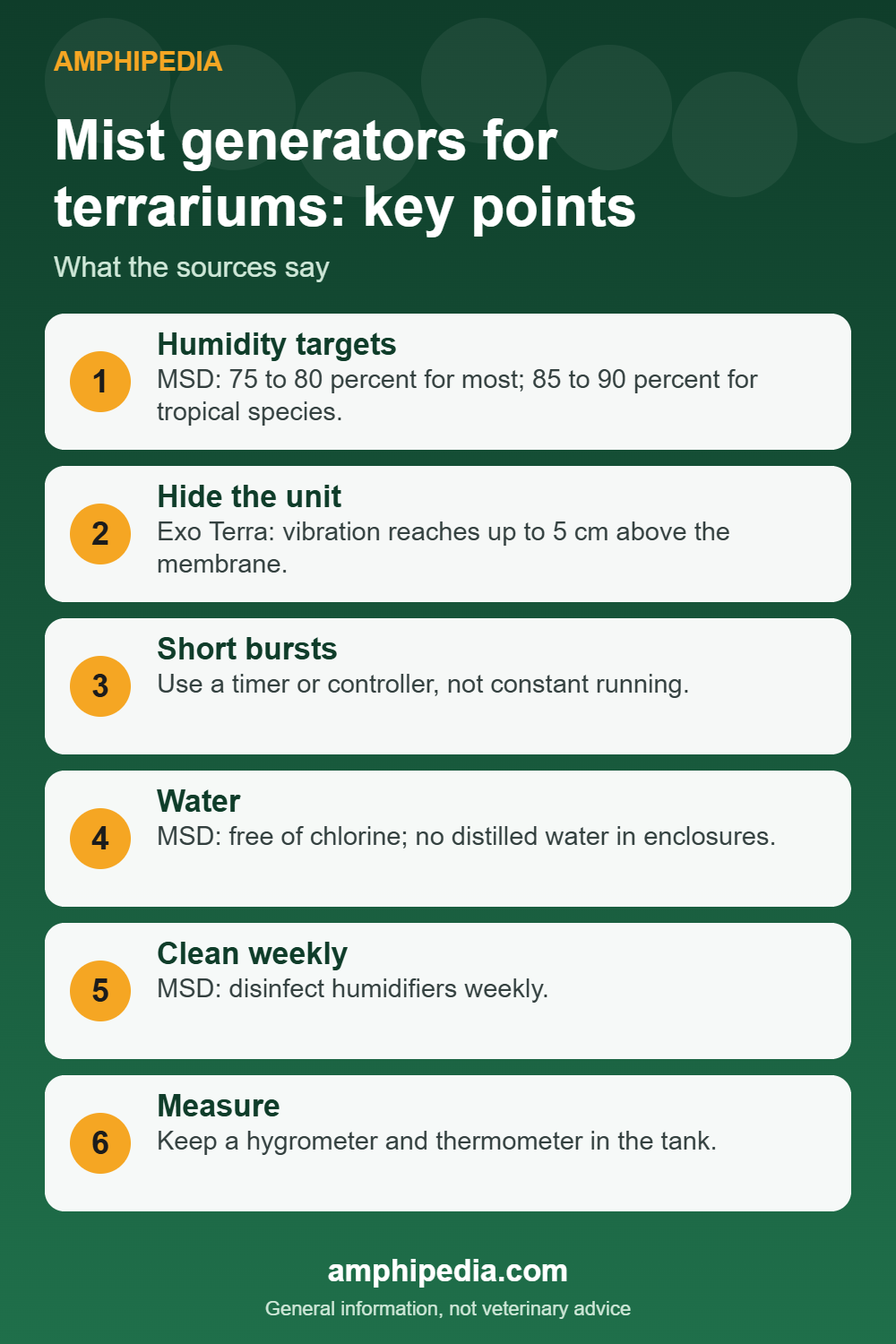
A compact mist generator is a small ultrasonic fogger that adds humidity to a terrarium. The MSD Veterinary Manual lists ultrasonic humidifiers as one way to keep moisture up, and says to disinfect humidifiers and spray bottles weekly. Exo Terra warns that its fogger vibrates up to 5 cm above the membrane, so hide the unit from animals. Run it in short bursts, use water your vet or the maker approves, and watch temperature.
Many amphibians need humid air, and a small mist generator can make that easier in a compact tank. It also brings risks: contact with the unit, unclean water and too much moisture.
This guide explains how a mist generator works, what to check before buying, and how to place, fill and clean one safely.
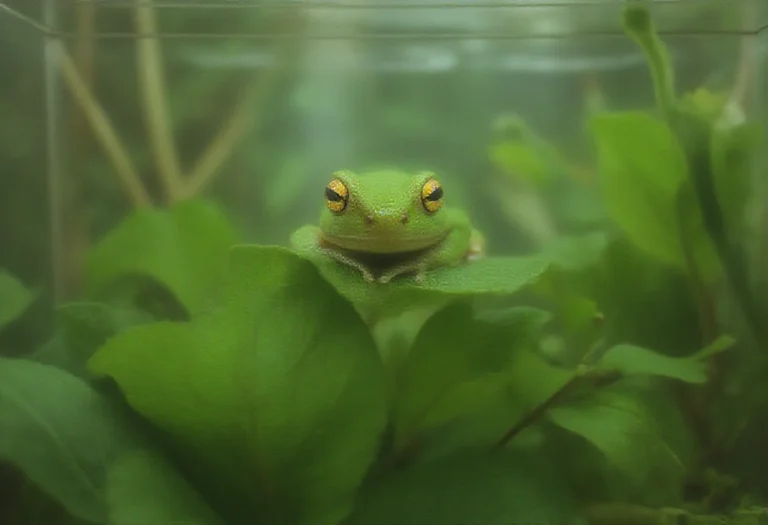
How this was made: prepared with AI assistance and checked against the sources listed at the end. Images are AI-generated illustrations, not photographs of real animals or products.
Key Takeaways
- The MSD Veterinary Manual lists ultrasonic humidifiers among ways to maintain moisture.
- It also says to disinfect humidifiers and spray bottles weekly.
- Exo Terra says its fogger vibrates up to 5 cm above the membrane and must be hidden from inhabitants.
- MSD says amphibian water must be free of chlorine, and distilled water should not be used in enclosures.
- Run short bursts and keep a hygrometer and thermometer in the tank.
Pin this infographicShare on Facebook
Compact foggers and mist makers to compare
These listings are small foggers and mist makers. Several are sold for reptiles or ponds, which does not mean amphibian-tested. Hide the unit from animals, check the water advice, and run short bursts.
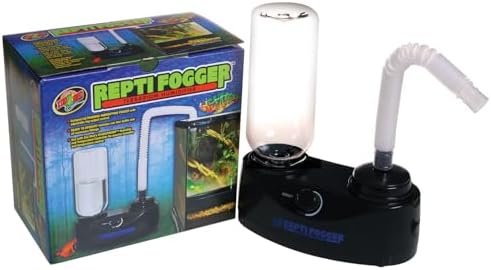


Product titles, prices and ratings are provided by Amazon and are accurate only at the time they are displayed.
What a compact mist generator does
An ultrasonic mist generator uses a vibrating disc under water to break it into fine droplets. The droplets rise as a cool fog. Compact versions sit in a water dish, a waterfall basin or a small reservoir.
The MSD Veterinary Manual lists small streams, waterfalls, ultrasonic humidifiers and frequent misting as ways to keep moisture in an enclosure. A fogger raises humidity but does not replace a damp substrate or a water area.
Is it right for your tank?
It suits small, closed tanks that struggle to hold humidity, or tanks that dry out between mistings. It is less useful for fully aquatic animals such as axolotls, which live in water and need no fog.
Check the humidity your species needs. The MSD manual gives 75 to 80 percent for most amphibians and 85 to 90 percent for tropical species. Petco gives about 70 percent for newts and salamanders. Our humidity controller guide explains how to automate it.
| Species group | Humidity in the source | Mist generator? |
|---|---|---|
| Most amphibians (MSD) | 75 to 80 percent | Often helpful |
| Tropical species (MSD) | 85 to 90 percent | Often helpful |
| Newts and salamanders (Petco) | About 70 percent | Optional; daily misting may do |
| Fully aquatic species | Not applicable | Not needed |
Safety points from the makers
Exo Terra says its fogger gives off high-frequency vibration up to 5 cm above the membrane and must be concealed so inhabitants cannot touch it. It also warns not to touch the small water jet at the top.
Place any unit where no animal can reach it, such as behind a waterfall or in a separate reservoir. Form a drip loop in the cord, and do not leave the unit running unattended for long periods.
Which water to use
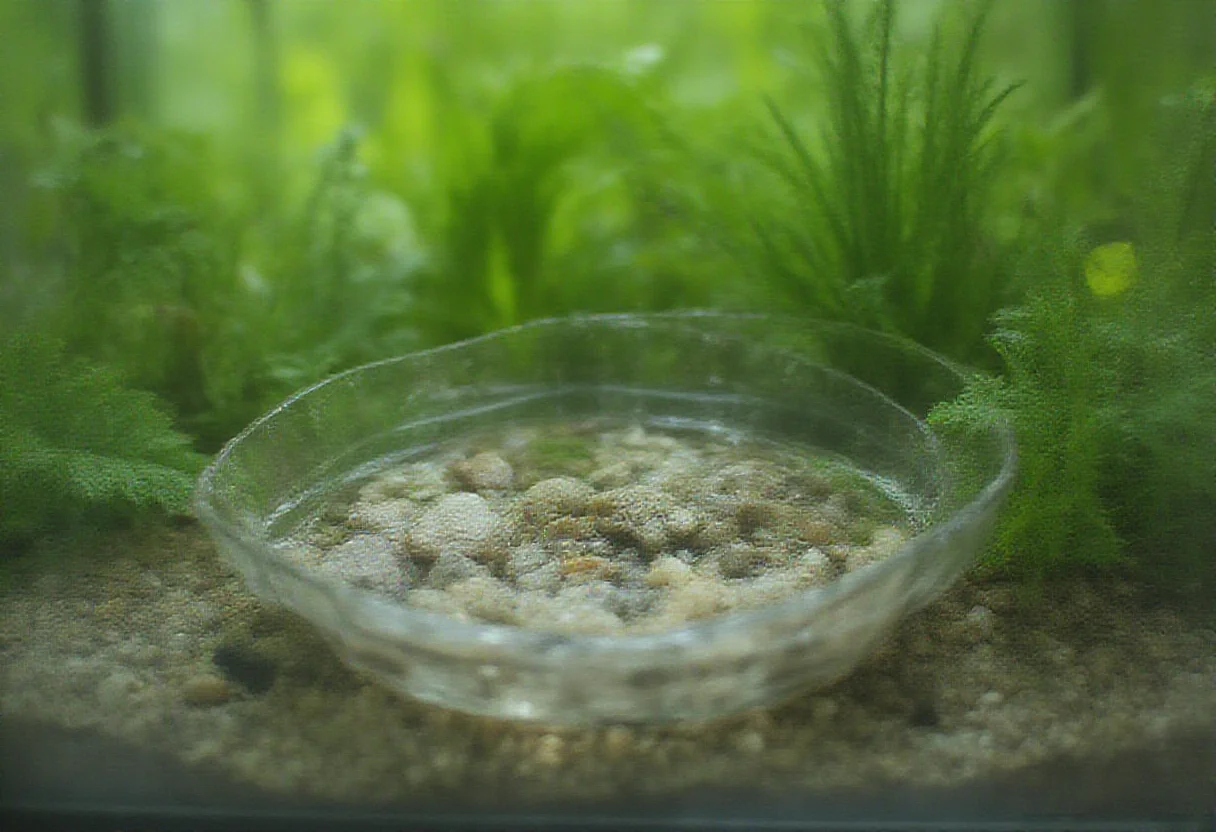
Sources disagree, so read both. The MSD manual says amphibian water must be free of chlorine, ammonia, nitrite, pesticides and heavy metals, and that distilled water should not be used in enclosures. Exo Terra says to use only fresh water with no chemicals.
The US EPA notes that ultrasonic humidifiers spread minerals from tap water as fine dust and recommends distilled water for people. These views conflict for animals, so ask an exotics vet about the water you plan to use.
What to check before you buy
Compare the points below rather than the box claims.
- A small body that fits your water area or reservoir.
- A water level sensor that shuts the unit off when the water runs low.
- A removable or easy-to-rinse reservoir.
- Adjustable output, so you can run a light fog.
- Timer or controller compatibility.
- A cord long enough for a drip loop.
- A replacement membrane that you can buy.
- A manual that states use with a terrarium.
Control heat and run time
Fog should be cool, but the unit and the room may warm the tank. The MSD manual says most amphibians do well at 60 to 70 F (16 to 21 C) and tropical species at 75 to 80 F. Check temperature with a thermometer after the first few hours.
Run the unit in short bursts using a timer or humidity controller. Watch for constant condensation and soggy soil, and cut the run time if you see them. Our smart mist timer guide covers timers.
Cleaning and care
The MSD manual says to disinfect humidifiers weekly. Exo Terra suggests soaking its unit in equal parts water and white vinegar for 30 minutes to remove mineral deposits, then scrubbing residue with a toothbrush. Unplug the unit first, and dry it fully before reassembly.
The EPA advises emptying and drying portable humidifiers daily and cleaning them every third day. Those rules are for rooms, but standing water in a tank is a similar risk. Rinse the unit well before returning it to the tank.
Related guides
Foggers come in several forms. Compare our guides to mist makers for vivariums, foggers with tubing and reptile-safe fogging humidifiers. A reptile label does not mean amphibian-tested.
Common mistakes
These errors cause most problems.
- Leaving the unit where animals can touch it.
- Running it nonstop.
- Using tap water without checking the maker advice.
- Skipping weekly cleaning.
- Ignoring condensation and mould.
- Not measuring humidity and temperature.
What one maker’s manual tells you to check
Most buyers skip the manual, but it holds the fit details that decide whether a fogger works in a tank. The Exo Terra PT2080 instructions are one example. Other brands differ, so read yours.
- Place the fogger in the terrarium’s water area, or in a waterfall unit, so water fully covers the level sensor.
- It works in water as shallow as 5 cm, with the top of the sensor 5 to 30 mm below the surface for best performance.
- Use fresh water at room temperature, on a flat, level surface.
- The unit diffuses about 200 ml of water per hour, and the sensor shuts it off automatically if the level drops too low.
- Do not add chemicals or medicinal compounds to the water, and check the unit regularly instead of leaving it running unattended for long periods.
That output figure belongs to one model and is not a guide to your tank. It does show why a tiny reservoir empties fast and why a level sensor matters.
Measure first, then adjust
The MSD Veterinary Manual says every amphibian enclosure should have a humidity gauge. It also says enclosures need about 1 to 2 air changes per hour, and that aquariums should have secure, ventilated tops. A fogger adds moisture while ventilation removes it, so the two need to be balanced.
Petco’s newt and salamander sheet gives a practical rule: the substrate should be moist but not soggy, and ventilation should be increased if it gets too wet. Check readings at several times of day, not just right after a fogging burst.
Condensation, mould and stale water
The MSD housing page does not discuss condensation or mould, so there is no amphibian-specific threshold to quote. The US EPA’s humidifier factsheet is written for homes, not terrariums. It says excess moisture promotes mould and dust mites, and that standing water in a humidifier tank allows microorganisms to grow.
The EPA keeps indoor humidity at or below 50 percent, which is far below amphibian targets, so the number does not transfer. The idea does: moisture needs somewhere to go, and water that sits unchanged is a risk. Empty and rinse the reservoir instead of topping it up for days.
White dust, scale and a failing membrane
Exo Terra says mineral deposits commonly form on its fogger in hard-water areas. The EPA says ultrasonic humidifiers are very efficient at dispersing minerals from tap water into the air, leaving a white dust, and that scale can harbour microorganisms.
Exo Terra adds that the ceramic membrane has a limited life. Its sign is a lit indicator with no mist. The maker sells a replacement membrane and key, and says to unplug the unit, remove it from the water and dry it completely first.
Electrical safety from the maker’s manual
A fogger sits in or beside water, so the manual’s warnings matter. Exo Terra says not to operate a unit with a damaged cord, adaptor or housing, or one that has been dropped, and not to attempt repairs.
- Unplug before installing, handling, cleaning or replacing parts. Never pull the cord to unplug it.
- If the plug or socket gets wet, do not unplug the cord. Turn off the fuse or breaker first, then unplug and check the socket for water.
- Any extension cord must be watertight, dustproof and adequately rated, and a qualified electrician should make the connection.
- Do not install or store the unit below freezing or in direct sunlight.
A note for people in the room
The EPA says breathing mist that contains pollutants has been linked to a type of lung inflammation. It says children, the elderly and people with lung disease or respiratory allergies may be more susceptible. If anyone develops symptoms that seem linked to the unit, the EPA advises stopping use and contacting a physician.
Frequently Asked Questions
Do frogs need a mist generator?
Not always. Daily misting and a damp substrate may be enough. A generator helps in dry rooms or compact tanks.
Is fog safe for amphibians?
It can be, if the unit is out of reach, the water is suitable and you control heat and run time.
Which water should I use?
Sources differ. MSD says water must be free of chlorine and not distilled. Ask a vet if unsure.
How often should I clean it?
MSD says to disinfect humidifiers weekly.
Can I run it all day?
Run short bursts. One maker warns against leaving it unattended for long periods.
Do axolotls need fog?
No. They live in water.
Bottom Line
A compact mist generator is a helpful tool when used with care. Hide it, clean it, control the run time and measure humidity.
If your animal shows skin changes or stops eating, see an exotics vet. The ARAV directory can help you find one.
Sources
- MSD Veterinary Manual: Housing for Amphibians, accessed 12 November 2026. Used for: humidity, humidifiers, water quality
- Exo Terra Fogger instructions (PT2080), accessed 12 November 2026. Used for: vibration warning, placement, water, electrical safety, membrane and cleaning
- US EPA: Use and Care of Home Humidifiers (Indoor Air Facts No. 8), accessed 12 November 2026. Used for: mineral dust, mould, cleaning and health note
- Petco: Salamanders and Newts Care Sheet, accessed 12 November 2026. Used for: newt humidity
- CDC: Reptiles and Amphibians. Used for: Salmonella and hygiene


8 Comments