Best Waterfall Decoration for a Frog Habitat: How to Choose
The best waterfall decoration for a frog habitat gives a gentle trickle, not a strong jet. It should be made of safe, non-toxic material, let frogs climb out easily and be simple to clean. Use dechlorinated water, keep the pump cord and plug away from splashes, and watch humidity so the enclosure stays damp but never soggy. Match the size to your tank and species.
A waterfall can add moving water, extra humidity and a natural look. It also adds a pump, a cord and a pool that needs cleaning.
This guide covers what to look for, how to set one up safely and the mistakes that cause trouble in frog tanks.
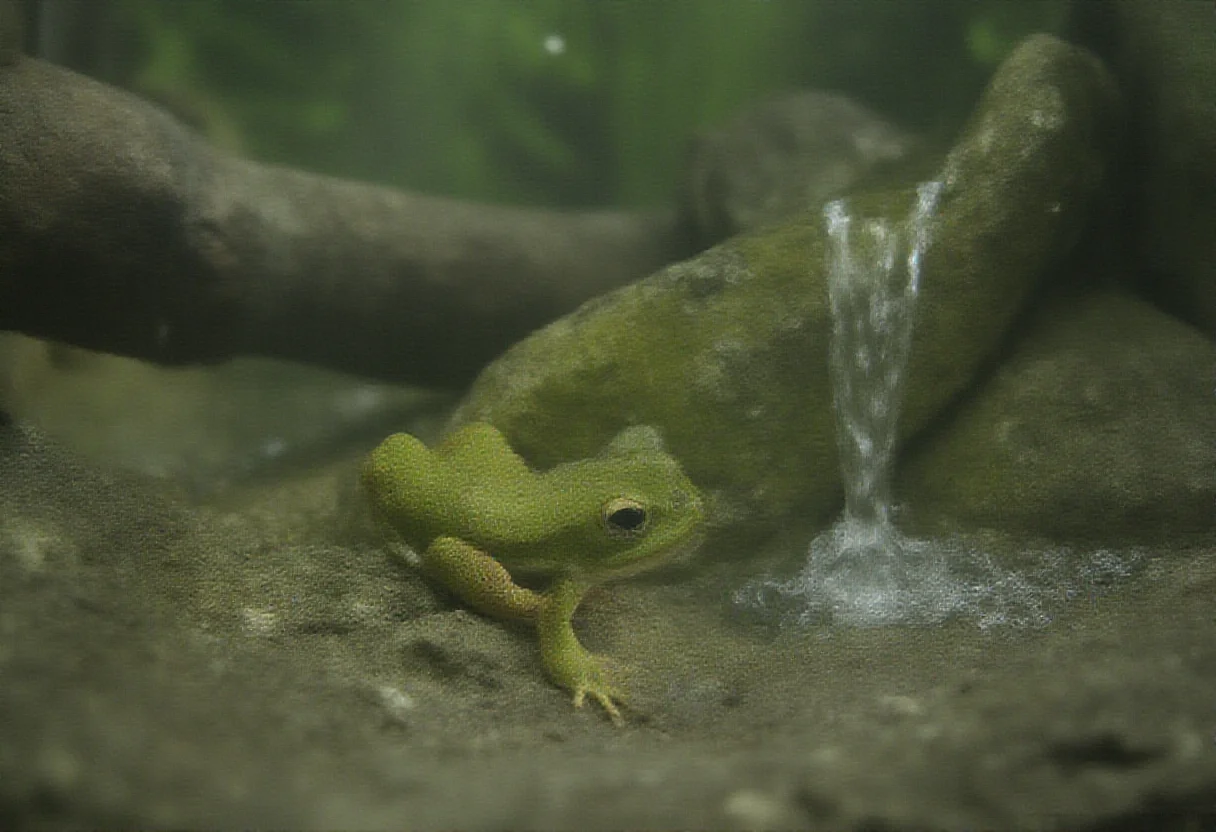
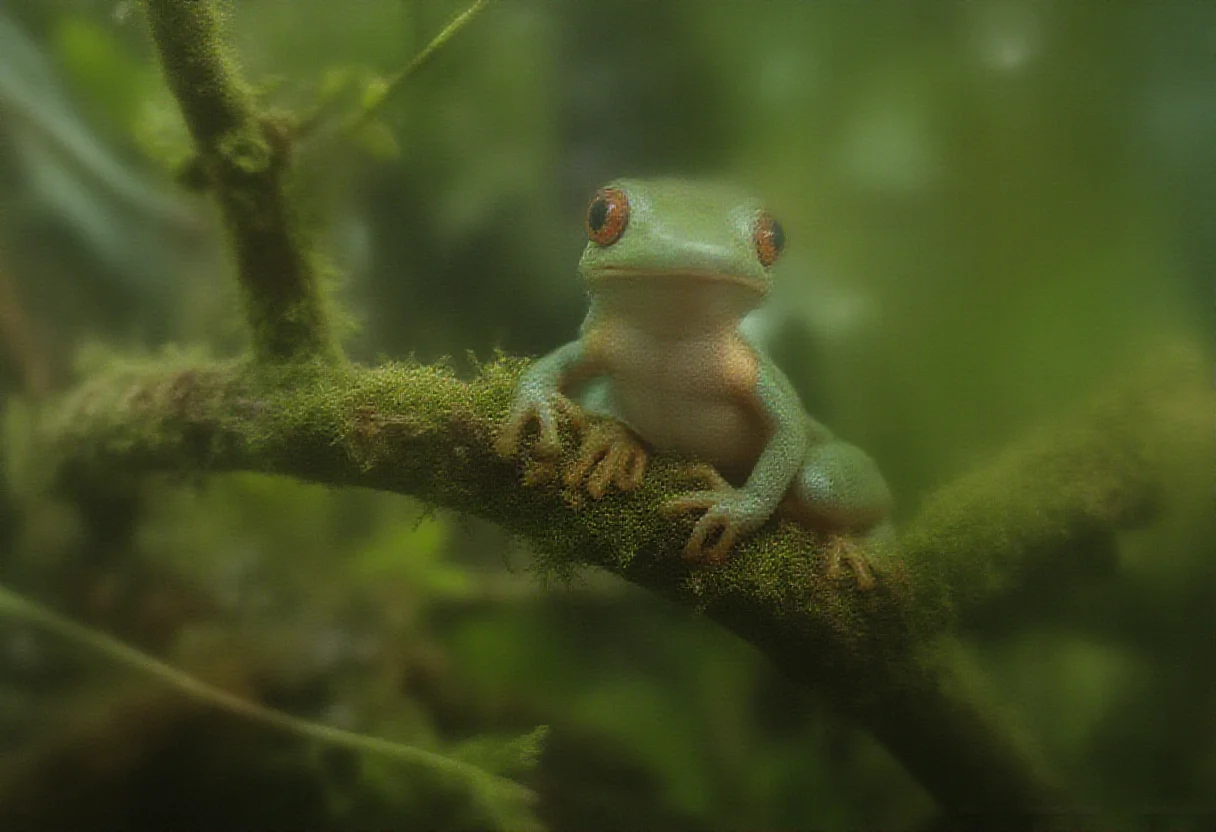
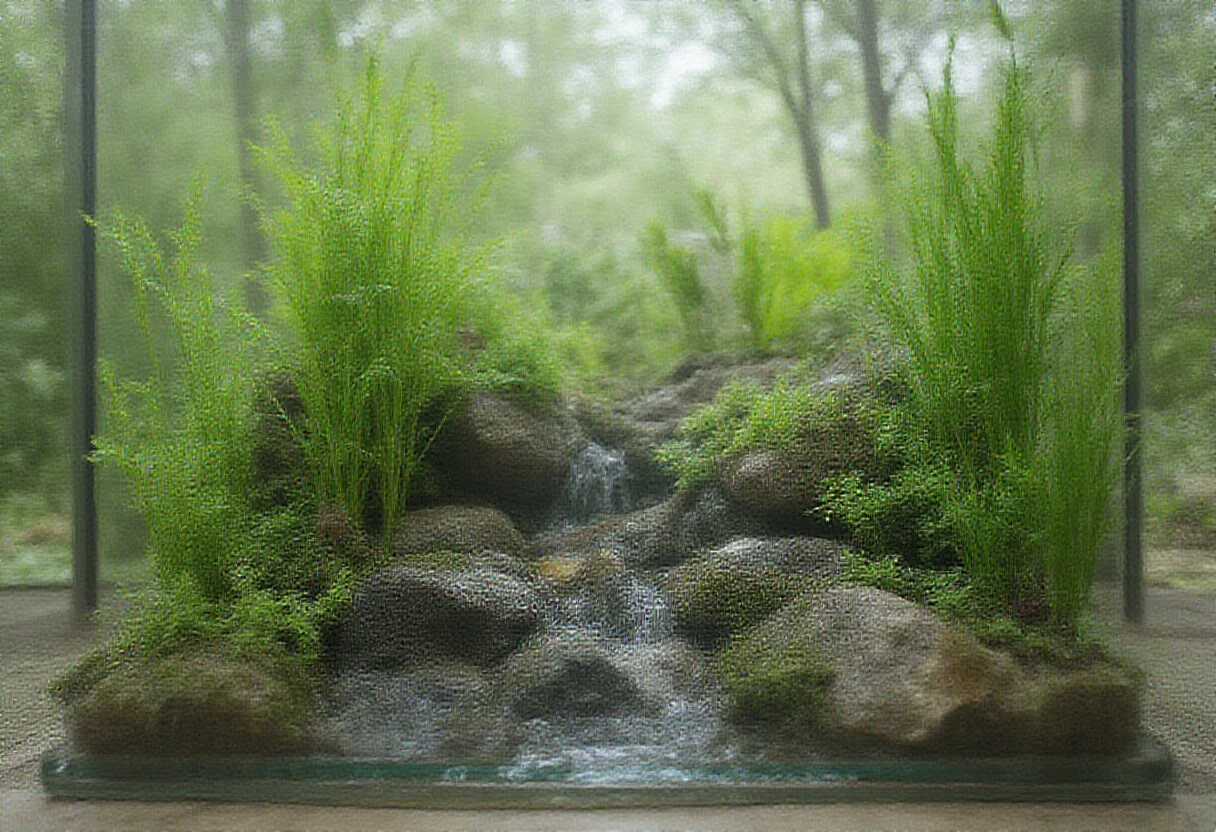
How this was made: prepared with AI assistance and checked against the sources listed at the end. Images are AI-generated illustrations, not photographs of real animals or products.
Key Takeaways
- Choose a gentle trickle. Veterinary guidance favours gentle flow over strong currents.
- Use dechlorinated water, and treat chloramines properly.
- Frogs must be able to climb in and out of any pool.
- Keep plugs and cords out of reach of water with a drip loop.
- Clean the pump, tubing and basin often, and wash your hands afterwards.

Pin this infographicShare on Facebook
Do frogs need a waterfall?
No. A frog needs clean water it can reach and humidity that suits its species. A shallow dish can do the first job and regular misting the second.
The MSD Veterinary Manual says even land species need a shallow water dish. A waterfall is an optional extra for people who want movement and a more natural display.
It suits humid, tropical setups best. Species that need drier air, or dislike running water, may do better with a simple dish.
If you are unsure, start with a dish and a hygrometer. You can add a waterfall later once you know how your frog uses the space and how well the tank holds humidity.
What to look for in a waterfall decoration
Judge a waterfall by how it will behave in your tank, not by the photo on the box.
- Gentle, adjustable flow. MSD advises gentle filtration that avoids strong currents in amphibian water.
- Terrarium-safe material that is non-toxic and has no loose paint or crumbling coating.
- Smooth surfaces with no sharp edges, narrow gaps or deep pockets where a frog could get stuck.
- A shallow basin or ramps so frogs can climb out easily.
- A pump with a long enough cord to form a drip loop, and a way to hide tubing.
- Parts that come apart for cleaning.
- A size that leaves floor space, plants and hides for your frog.
Match the style to your frog
Tree frogs use height. A tall rock face with ledges and plants gives them places to climb and sit near moisture.
Ground-dwelling frogs and toads need floor space more than height. A low waterfall with a shallow pool works better, and large rocks need to be stable so they cannot tip.
Aquatic frogs live in water full time, so a waterfall is a filter and aeration question rather than decoration. Our guide to gentle pumps and filters covers that case.
| Frog type | Layout that tends to suit | Watch for |
|---|---|---|
| Tree frogs | Tall background with ledges and plants | Splash on lids and glass fixtures |
| Ground frogs and toads | Low rockwork and a shallow pool | Tipping rocks and deep water |
| Fully aquatic frogs | Filter and gentle outflow | Strong currents |
Water quality for a waterfall
A pump recirculates the same water, so problems build up faster than in an open dish. Frogs absorb substances through their skin, so water quality matters.
MSD says to avoid distilled water. Tap water chlorine can be removed with a carbon filter run for at least 24 hours. Chloramines need a dechlorinating agent first. See our dechlorinator guide for how to choose one.
Top up with dechlorinated water as it evaporates. Replace the whole reservoir often, because waste and bacteria build up in recirculating water. For aquatic setups, MSD recommends changing at least 10 percent of the water weekly.
Pump and electrical safety
Water and mains power are a risky pair. Treat the electrical setup with care.
Exo Terra thermostat instructions advise arranging a drip loop so water cannot reach the plug or socket, and they state that a wet plug means switching off at the fuse or breaker before touching it. The same advice fits waterfall pumps.
- Follow the pump maker’s instructions on placement, including whether the pump must stay fully submerged.
- Form a downward loop in the cord below the socket so drips fall away from it.
- Plug into a socket or power strip placed above and away from the water.
- Unplug before you clean, move or adjust the pump. If the plug or socket is wet, do not unplug it. Switch off at the fuse or circuit breaker first, as the Exo Terra instructions say.
- Replace any pump with a damaged cord or plug.
- Keep the cord away from heat lamps and from curious climbing frogs.
Humidity and ventilation
Moving water raises humidity. Petco care sheets for small terrestrial frogs suggest 70 to 90 percent, and MSD lists 75 to 80 percent for most species and 85 to 90 percent for tropical ones.
Keep a hygrometer in the enclosure and adjust. If glass stays wet all day or mould appears, reduce the flow or the pool size. MSD recommends about one to two air changes per hour, so keep ventilation open.
Compare the options in our guide to a compact mist generator if you need more humidity than a waterfall gives.
Cleaning and maintenance
Unplug the pump first. Rinse the basin, tubing and rocks with clean water. Avoid soap and strong cleaners unless the maker says they are safe and you rinse well.
MSD describes disinfecting tools and dishes with a bleach solution of 1 ounce per quart for at least 30 minutes, then rinsing and drying them fully. Do this away from the frog.
Wear disposable gloves when cleaning. Clean equipment outside the kitchen and pour used water down the toilet, as the CDC advises.
Common mistakes
These errors cause most waterfall problems.
- Choosing a strong pump that blasts a small frog off its perch.
- Letting a basin run so deep that a frog cannot climb out.
- Using untreated tap water.
- Leaving the cord without a drip loop.
- Skipping cleaning until the water smells or turns cloudy.
- Blocking ventilation so the tank stays wet and stuffy.
- Using decor with unknown coatings, or wood such as cedar or pine, because MSD warns of toxic oils.
How keepers build water features in practice
Care sources describe three simple designs. None of them uses a large decorative waterfall unit, and each is worth comparing with what you plan to buy.
- BGSU Herpetarium (dart frogs): leave one corner as a shallow pool with a rock bottom. A small pump sits in one corner under rocks, with tubing routed under a rock to a rock pile in the opposite corner to make a waterfall.
- Reptiles Magazine (dart frogs): keep one corner or end free of drainage material, line it with gravel or sand and use it as a small pond that can be drained.
- Merck Veterinary Manual: external canister filters or under-gravel filters help maintain water quality in tank waterfalls, streams and ponds, and aquatic plants help remove nitrogenous waste.
The common thread is that the water feature is small, hidden where possible and easy to drain or empty. A decoration that cannot be taken apart is harder to keep clean.
Standing water, drowning and the dish debate
Sources disagree on how much open water a frog tank should have. DartFrog.pet says to avoid standing water in a dart frog vivarium, except in breeding set-ups. It also says water dishes are generally not recommended, because frogs should get water from misting.
Merck takes the opposite line for terrestrial amphibians in general. It says they need a shallow container of water. Petco’s red-eyed tree frog sheet describes a shallow, untippable bowl about 1 to 2 inches deep.
These are different species and different keepers’ habits. A waterfall sits between the two views, since it adds moving water and humidity without a deep pool. But any pool at its base still counts as standing water.
- Check your species’ sheet for whether open water is expected.
- Keep the pool shallow and give it a ramp or stones.
Testing the water in a recirculating feature
For aquatic set-ups, Merck says to test weekly for temperature, pH, hardness, ammonia, nitrite and nitrate. It advises changing at least 10 percent of the water each week. A waterfall pool is smaller than a tank, so waste concentrates faster.
Tap water adds another layer. A University of Florida extension activity notes that aeration can remove chlorine but leaves chloramine, and that ammonia remains in treated chloramine water. A waterfall splashes and aerates the water, so do not assume it removes chloramine.
Petco’s sheet for small terrestrial frogs says fresh, clean, chlorine-free water should be available at all times. Treat the water before it goes in the reservoir, not after.
Setting up a waterfall step by step
- Build the rock or background first, and check each piece does not move when pressed.
- Place the pump and tubing in a spot you can reach for cleaning.
- If you use cork or fibre panels, follow Reptiles Magazine and let silicone dry for at least four days.
- Fill the reservoir with treated water and run the pump with no frog in the tank.
- Watch where the water goes. Adjust until the flow is a trickle and little reaches the lid or fixtures.
- Check the drip loop, the plug position and the hygrometer reading.
- Let the tank run for several days before you add the animal.
Troubleshooting a waterfall
- Water level drops quickly: evaporation, a leak or splash out of the basin. Check the tubing joins and the edge of the pool.
- Glass stays fogged all day: Merck suggests 1 to 2 air changes per hour, so open the vents or shorten the pump run time.
- The pump rattles or stalls: unplug it, clean the intake and check for trapped debris.
- Water turns cloudy or smells: empty and rinse the reservoir and parts, then refill with treated water.
- A frog avoids that side of the tank: reduce the flow or the noise, or move the outlet.
If a frog shows swelling, skin changes or stops eating, contact an exotics vet rather than adjusting the waterfall.
Frequently Asked Questions
Is running water good for frogs?
It can raise humidity and give a natural look, but gentle flow matters. Some species prefer still water.
How deep should the pool be?
Keep it shallow enough that your frog can climb out easily. Match depth to species.
Can I use tap water?
Only after removing chlorine and chloramines. Avoid distilled water, per MSD.
How often should I clean a waterfall?
Clean it regularly and replace the reservoir water often, because waste builds up in recirculating water.
Will a waterfall make the tank too humid?
It can. Watch the hygrometer, adjust the flow and keep ventilation open.
Do I need a drip loop?
Yes. A drip loop in the pump cord keeps water from running into the plug or socket.
Bottom Line
A good waterfall is gentle, safe, easy to climb out of and easy to clean. Pick the size for your tank, not the biggest one you can fit. This guide does not include a product list, because the choice depends on your tank and species.
If a frog stops eating, stays in the water all day or shows skin changes, see an exotics vet. The ARAV directory lists vets who treat amphibians.
Sources
- MSD Veterinary Manual: Housing for Amphibians, accessed 12 November 2026. Used for: water, filtration, humidity, cleaning
- Petco care sheet: small terrestrial frogs, accessed 12 November 2026. Used for: humidity and fresh chlorine-free water
- Exo Terra Thermostat instructions (PT2457), accessed 12 November 2026. Used for: drip loop and wet plug advice (written for a thermostat, applied here to pumps as general practice)
- CDC: Reptiles and Amphibians, accessed 12 November 2026. Used for: Salmonella and hygiene
- BGSU Herpetarium: Poison Dart Frogs (Dendrobates species, family Dendrobatidae), accessed 12 November 2026. Used for: pool and waterfall design
- Reptiles Magazine: How to Build a Poison Frog Terrarium (Devin Edmonds), accessed 12 November 2026. Used for: drainable pond corner, silicone drying time
- DartFrog.pet: Vivarium, accessed 12 November 2026. Used for: standing water and dishes
- Petco: Red-eyed tree frog care sheet, accessed 12 November 2026. Used for: bowl depth
- UF/IFAS Extension: Teach Aquaculture Curriculum: Chlorine – Friend or Foe? (FA171, 2019), accessed 12 November 2026. Used for: chlorine versus chloramine
- Merck Veterinary Manual: Environment and Husbandry for Amphibians (professional version), accessed 12 November 2026. Used for: filters for tank waterfalls and ponds


One Comment